To achieve consistent aluminum foil quality between batches, a clear and written specification must be in place.
Before placing any order, buyers should look for alloy, temper, thickness, thickness tolerance, width, core size. roll weight. surface finish and pinhole limits. These parameters should be noted in the purchase contract and quoted on every of future shipment.
If a standard has not been established, there is no scientific basis to determine if another batch may replicate the previous one.
You are much more likely to receive repeatable results from a supplier who will accept detailed specifications but, importantly, confirm their acceptance in writing..jpg)
Certification at the batch level is the second safeguard.
All shipments are to arrive with a CoA indicating actual measured thickness, tensile strength and elongation, as well as pinhole count and cleanliness of surface when applicable.
It states clearly that Buyers should compare these values against the specification agreed with the Supplier, rather than believe generic compliance statement.
Storing a sample of every batch enables side-by-side comparison when new material arrives.
If values drift out of tolerance, then the problem can be identified long before it arrives on the production line, reducing expensive downtime and waste.
And finally, buyers are encouraged to audit the supplier's process control and not merely the end product.
Output stability is heavily relying on stable rolling, annealing and slitting processes.
Question how the mill monitors thickness online, gauges how often calibrated, and annealing temperature & tension controlled.
Suppliers with their own statistical process control and procedures can avoid batch-to-batch variation.
In the case of buyers purchasing across borders and therefore unable to have direct oversight, periodic factory audits or third-party inspections can provide additional documented peace of mind.
4th Inspection must be performed at buyer's facility.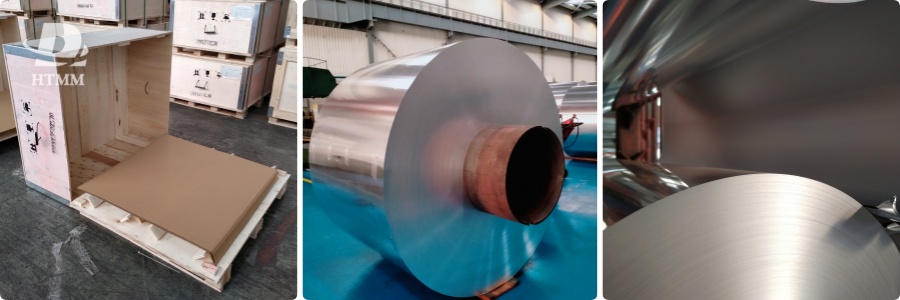
Because even when buyers use certified suppliers, they still need to check the thickness, width and condition of the surface when items are delivered.
A good practice to identify issues early is to perform simple checks such as taking thickness measurements at different points across the web and visually inspecting for scratches, oil marks or edge damage.
Buyers may also conduct a minor lamination or printing test run for key applications before allowing the batch into full-scale production.
This validation in practice proves that the foil behaves as expected on actual equipment.
Fourthly, buyers need to log performance over time while having a formal communication with the supplier.
Data at the mill level, such as machine downtimes, web breaks and rejection rates by batch number allow trends to be identified that would be missed occurs in an individual inspection.
When variability, sharing specific data can help a supplier determine what is causing the variation—raw material
Finally, buyers can reduce risk by limiting the number of suppliers they allow to enter into long-term relationships with manufacturers who will do their best to keep things consistent.
HTMM supplies (to us) 8011, 1235, 3003, and 8079 aluminum foil in batches whose quality we have documented; the company has a proven track record of stability in terms of production capacity, and it customizes its product to meet our needs.
All this is made possible because of clearly defined specifications and certification, along with regular process audits, incoming inspection, and ongoing performance tracking.