For worldwide converters, makers of package and industry processors, it is vital to choose the right aluminum foil master roll in order to have a successful final product, efficient production and low total cost of ownership. If the master roll is without a match, whether due to inappropriate alloy, thickness or temper, it causes multiple tearing during fast operation, decrease in barrier abilities, increase in number of rejects, downtime and wastage of unnecessary materials. For industrial clients, knowing material basics and criteria for choosing the appropriate material is the first step towards successful production at high volume.
What is aluminum foil, precisely? Aluminum foil is a very thin sheet made of aluminum plants and is developed through continuous hot-cold rolling of the aluminum metal to form a micrometer thickness.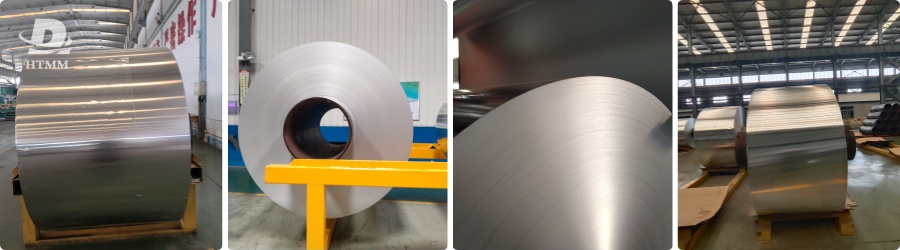
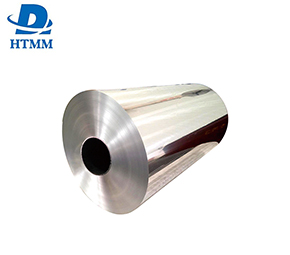
The master aluminum foil is, otherwise known as the mother roll, the main copper−colored material produced at an aluminum plant. This master roll can be used in various ways so that it is prepared and finished into different product forms. Because of the inherent features of aluminum, processed aluminum foil possesses excellent barriers for different types of substances, like moisture, and other forms of unwanted odors.
It is notable for its perfect thermal conductivity, excellent ductility and good resistance to corrosion. Even at very small gauges, processed aluminum foil still has complete light blocking properties, which few flexible packaging materials would ever be able to replicate.
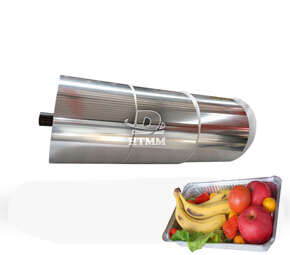
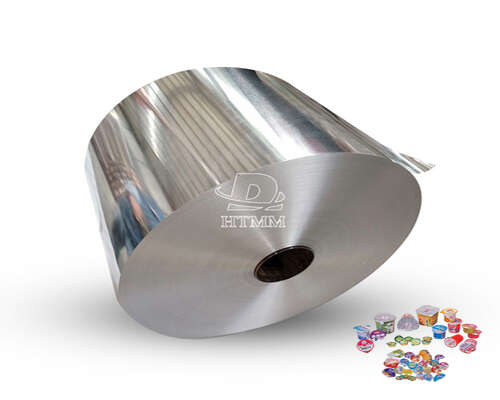
Master aluminum foil rolls find a myriad of applications across various industries. Foil master rolls are used for creating multi-ply film, heat sealable lidding foil and household foil wrap as well as foils for food container manufacturing. Final products made from these materials are used for packaging food products, snacks, dairy products, frozen foods, ready meals and pet food, thus helping in maintaining the taste and prolonging the shelf life.
Moreover, the quality of aluminum foil master rolls is of vital importance in pharmaceutical packaging as this material is used for production of blister packs, strip packs and the lining of inner sachets. High quality pharmaceutical aluminum foil ensures the protection of medicines from humidity, light and outside environment. Other uses of aluminum foil master rolls include cable shielding, thermal insulation, surface laminated finishing and luxury cosmetic packaging. Each application has its specifications which should be met by aluminum foil master rolls in terms of mechanical properties and barrier performance.
The choice of aluminum foil master roll for production is impacted greatly by the alloy grade. Various alloys have different amounts of iron, silicon and other elements mixed in. This variance in composition influences tensile strength, puncture resistance, ductility, pinhole tendency and surface quality, consequently making some types of alloys especially suited for certain applications.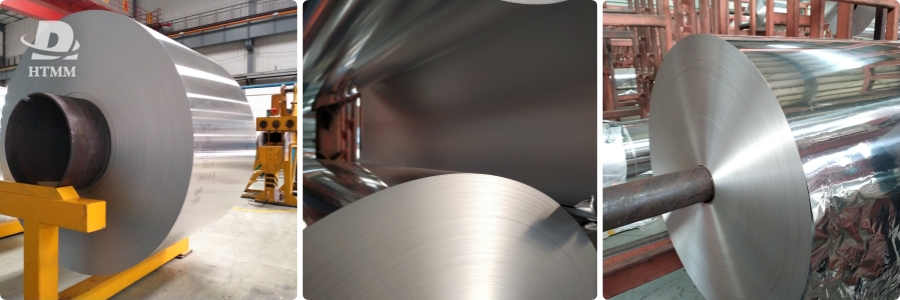
Aluminum foil from the 1xxx-series, most notably alloy 1235, has aluminum purity extremely high, i.e. greater than 99.35%. Being one of the examples of ductile aluminum foil with bright surface and excellent electrical-thermal conductivity, its only major drawback is relatively low tensile strength. Thus, 1235 master rolls are mostly used for production of cigarette packs, high-standard composite lamination, cabling shields and building insulations since purity of the surface and formability of the aluminum foil are more important than high mechanical qualities.
3xxx-series aluminum foil contains manganese as the most important alloying element that allows improving the tensile strength and anti-corrosion properties of aluminum foil. Mechanical qualities of aluminum foil in this series have satisfactory stability and can be used as medium-thick industrial foil, in building insulation and even in production of heavy duty containers that do not require high strength of structural materials but should withstand chemical effects.
The 8000 series alloys currently lead the global flexible packaging foil market, around 8011 and 8079 which are the two most common grades. The 8011 alloy meets a good balance of strength and cost performance due to finely controlled amounts of iron and silicon in the alloy composition. The foil has good properties when it comes to puncture resistance and barrier performance in normal processing conditions.
Most of the household foil and lidding material for food packaging, general pharmaceutical foil used in blister packs, and foil for disposable containers use the master roll of alloy 8011 which is known for its stability on the converting lines and good cost performance in high-volume production. The 8079 alloy is specially tailored for applications where very thin foils are needed for packaging with high barrier properties. Due to a specific structure of the foil received, the risk of pinholes in foil obtained with 8079 alloy decreases significantly, even in case of foils thinner than 0.01 mm.
Besides the correct choice of alloy, thickness and master roll width must correspond to the requirements of the converting machines used downstream. If the foil produced is too thin, the risk of pinholes and incapability of barrier will be increased. If thickness of foil product is too great, it will result in higher cost of raw materials. Moreover, excessive thickness creates difficulties in forming during deep-drawing operations.
Therefore, the width of the master roll should be not less than the greatest slit width of the given production line in order to minimize losses of edge trim in slitting operations. Finally, surface finish, temper condition, oil residue, and all technical papers must be examined before placing purchase orders..jpg)
Collaborating with professional manufacturers will make your selection process of materials much easier. For over 15 years, HTMM aluminum foil company has been producing aluminum foils, providing valuable experience in selling to converters and manufacturers in various countries.
This company is capable of producing all series of aluminum coils with the thickness that varies from 0.006 mm to 0.2 mm. The company can customize the alloys, the thickness of the foil, and the width of the coils according to the needs of its customers. No matter if the customers need 1235 aluminum foil for special laminating projects, 8011 aluminum foil for different general purposes, or 8079 aluminum foil for pharmaceutical needs, the company can provide the needed coils without quality loss.
In summary, it can be concluded that the search for an appropriate master roll of aluminum foil actually means making the right choice according to the technical specifications, including the properties of the alloy, the dimensions of metal foil, and the quality meeting the requirements of the customer. Before doing that, the manufacturer will need to set the priorities for itself, i.e., what is more important to them—barrier properties, puncture resistance, cleanliness, price competitiveness of the materials, or compatibility with the production line?