.jpg)
How to Check an 8011 Aluminum Foil Manufacturer
Start by checking if the manufacturer's alloy mix and temper control are consistent.
Good 8011 foil should stay in a soft O-temper for lamination, printing, and slitting.
If the temper varies, you might see wrinkles, web breaks, or poor bonding.
Ask if the mill keeps iron and silicon levels within tight limits, and whether the annealing process is even throughout the coil.
It's also smart to request a Technical Data Sheet, batch records, and sample rolls before placing a big order.
Reputable manufacturers tend to share this info easily because maintaining consistency gives them an edge.
Then, look at the thickness tolerance and pinhole rate.
Tight gauge control—within about 3-5%—makes lamination smoother and helps with predictable processing.
For food or pharma packaging, low pinhole density is a must for barrier performance.
Ask for certified pinhole test results and thickness checks.
For high-barrier needs, specify a maximum pinhole count per square meter and demand batch-level certification.
Foil that looks fine but has pinholes can spoil products, lead to complaints, and cause expensive recalls.
Check the surface for cleanliness and how well it sticks.
Leftover oil, dust, or scratches can lead to peeling or printing problems.
A good manufacturer manages oil residues and surface quality throughout every step.
Ask them about their cleaning methods and how they inspect quality..jpg)
If you plan to coat, print, or laminate the foil, do adhesion tests on your own machines.
A clean, uniform surface helps ensure strong bonds and the integrity of the final package.
Make sure they can match your required width, core size, and roll options.
Your laminator and slitter determine the right master roll specs.
A reliable supplier will match the width, diameter, and weight to your equipment, which cuts waste and makes better use of materials.
Share your maximum processing width, allowed roll diameter, and core size upfront.
Custom slitting and jumbo rolls help reduce changeover time and keep your production flowing smoothly.
Check that your supplier meets batch consistency, holds certifications, and has enough capacity for production.
It's crucial that they comply with standards like ISO 22000, FDA, and EU 10/2011 for food contact safety.
Make sure they can supply large jumbo rolls consistently, without any quality issues drifting over time.
It's worth reviewing their lead times, minimum order quantities, and whether they can be a reliable long-term partner.
A supplier with steady capacity and clear quality protocols can help keep your production on track and protect your brand's reputation.
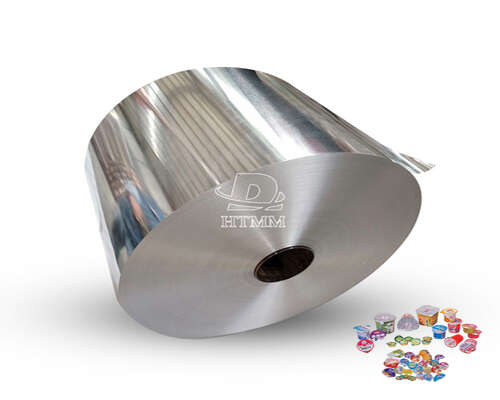
We recommend HTMM for 8011 jumbo rolls, which can be customized in thickness and width.
We prioritize dependable supply, certified materials, and consistent quality.
Our technical team is here to help you match your specifications with your equipment and needs.
Reach out to us for samples and personalized options.