Buyers from around the world looking for aluminum foil rolls are always exposed to certain dangers. These dangers are as a result of inconsistent physical performance of aluminum foil, ineffective safety measures, and partly unclear information about the properties of certain alloys.
Complete supplier documents remove this danger and help buyers understand the suitability of the aluminum foil for their product and the need for regulatory documentation if the aluminum foil is to be used for food, pharmaceuticals, and other industries.
B2B buyers must be aware of the specific documents they must have in their possession, which safety tests must be passed by the aluminum foil, and what characteristics of aluminum foil should be checked when conducting the tests.
Aluminum foil made from 8-series and 1-series alloys like 8011, 8079, and 1235 offers excellent barrier properties against light, moisture, and air. Besides that, it possesses good ductility and thermal conductivity, which makes aluminum foil highly valuable in various industries.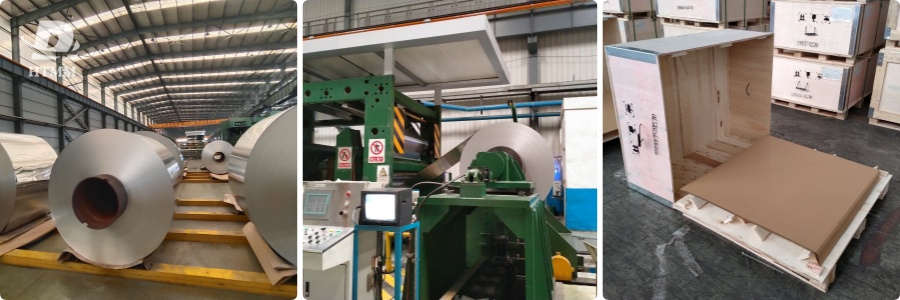
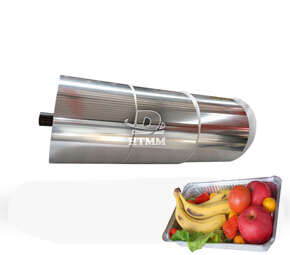
In food packaging, household foil, food base stock, and food-conversion materials save baked food, frozen food, and ready-to-eat meals from oxidation and moisture, prolonging shelf-life.
In the pharmaceutical industry, we can observe many applications of high-quality 8079 aluminum foil in blister packaging, as this very type of foil has zero or extremely small amounts of pinholes that do not let moisture or air in.
Other applications include cosmetic tube base material, linens for cigarettes, cable isolation, and other major applications.
Different industries imply different safety and mechanical requirements for foil products: those in contact with edible or drug items have to comply with food contact migration rules, but in industrial applications, tensile strength, elongation, and barrier properties of foil take precedence over chemical parameters.
The aluminum foil must pass specific testing processes. These tests involve numerous types of quality checks, requirements and assessments, which include physical property tests, chemical criteria tests, testing of barrier properties and surface properties.
Each test checks its test properties relating to material, thus allowing customers to decide on the appropriateness of a particular batch for its subsequent production process.
The chemical product testing involves using any foil for food contact or pharmaceutical contact purposes. Basic migration tests monitor the total number of compounds that migrate from foil into an environment.
Heavy migration tests look for metals such as Pb and Cd, ensuring compliance with the applicable EU directives, FDA and LFGB regulations.
Test for residual rolling oil estimates the organic pollutants that remain due to manufacturing. Excessive residues could give bad smells and make gluing of foil compromised.
The conversion ability of a product is based on the mechanical characteristics of the product, which can be tested during slitting, printing, and other operations. Tensile strength and elongation tests provide important information about the breaking strength and ductility of the product, which is essential in order to prevent paper breakages when converting products at high speeds.
Puncture test helps to determine the resistance of the product to the penetration of sharp objects, which is crucial especially for deep drawn food container foil.
The number of pin holes is evaluated during pinhole test, and small holes can spoil the barrier properties of the healthcare and high barrier packaging. A thickness test ensures that the characteristics of the rolls meet the requirements.
Moisture vapor and oxygen permeability is tested to determine WVTR and OTR values eventually. Low values of transmission indicate good water and oxygen impermeability of the product.
In surface testing the surface energy, presence of oil stains, any scratches, corrosion and wrinkles are evaluated. Quality defect in the process leads to problems in further printing and defects of the final product.
Without clear documentation that provides details of what has been tested, it will not be possible for a purchaser to differentiate between good quality raw materials and low quality ones.
So, what documents should a supplier of acceptable aluminum foil provide to its clients?
First and foremost, there is the Certificate of Analysis (COA), which is also known as the batch specific quality inspection report. COAs must be aligned to the shipment lot number.
The report must contain a full description of alloy grades, temper, thickness, width, coil weight, core size in addition to the testing information that is available such as tensile strength, elongation, pinhole density, thickness deviation, surface oil index and the main results of safety testing.
If a COA is not batch specific, it is not of much use in tracking the quality of materials.
Other required documents include MSDS, copies of the certificates of systems such as ISO 9001 and certificates of compliance with food contact regulations in the same market where the suppliers work.
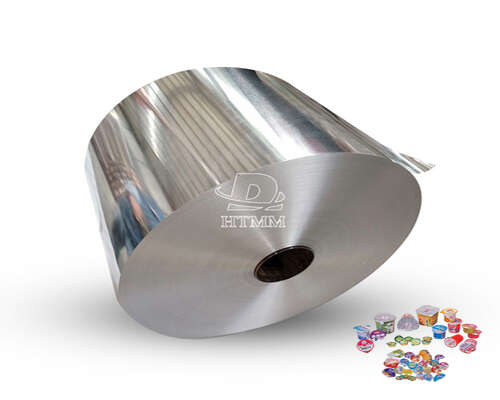
HTMM Aluminum Foil Factory ensures that every shipment of aluminum foil jumbo rolls is accompanied by one-to-one batch-wise COA quality inspection reports. Each report provides all measured information obtained from tests performed by the in-house laboratories, which include mechanical indicators, surface quality indicators and other tests related to the safety of the materials.
Each production coil is monitored during the manufacturing process and there are samples taken for testing in the laboratory on completion of the manufacturing process. Therefore, the buyer is able to obtain all necessary information together with the cargo that is sent by HTMM.
Besides the above mentioned documents related to the quality control done by HTMM, it fully supports the audits imposed by third-party inspections and sampling done by them. It means that the customers are free to engage independent institutions in conducting pre-shipment audits and sampling.
Very often global buyers do not value documentation and pay attention only to price and timing. However, failing to provide proper paperwork can lead to non-compliant products, breakdowns of production, recalls and delays in clearing goods at customs.
Buyers should check what documents will be available when getting quotes: whether they will receive batch-specific COAs, compliance certificates and copies of supporting certifications.
When dealing with new suppliers it is important to regularly validate reported COA parameters against the third-party test results as part of the quality assurance process.
To sum up, proper documentation unites not only manufacturers of aluminum foil but also converters downstream. This includes reports of quality of the particular batch, files of safety compliance and optional proof of inspections carried out by a third party.
Given that complete and traceable documentation can be considered the same as any particulars related to alloy composition or due commercial terms, there is no doubt that buyers should check it in their search for suppliers of aluminum foil.
HTMM guarantees that not only stringent reports are provided for the particular batch but also independent verification if needed by the client.