Being able to create a flexible delivery timetable is one of the most significant benefits for a purchaser when entering into an aluminum foil supply contract, but it is often overlooked in the course of negotiations. Purchasers often concentrate on price, specifications, and delivery periods but fail to see that delivery schedules are only an issue of logistics. However, the opportunity to have flexible delivery dates without incurring any penalties impacts the stock costs, production process, and cash flows. A supplier who can offer a flexible schedule is worth more than a cheaper supplier who can not.
The first reason why flexibility is important is the variability of demand. The demand in aluminum foil does not usually go in one smooth curve. Packaging companies experience peaks during seasons, launches of promotional campaigns or unexpected orders from important clients. A buyer who has agreed to rigid monthly delivery numbers may find himself in a difficult situation when he does not have enough aluminum foil in peak time or when he has gained too much foil at a slow period. Flexible delivery schedules allow the buyer to adjust delivery quantities for different months, aligning the process with actual procurement needs.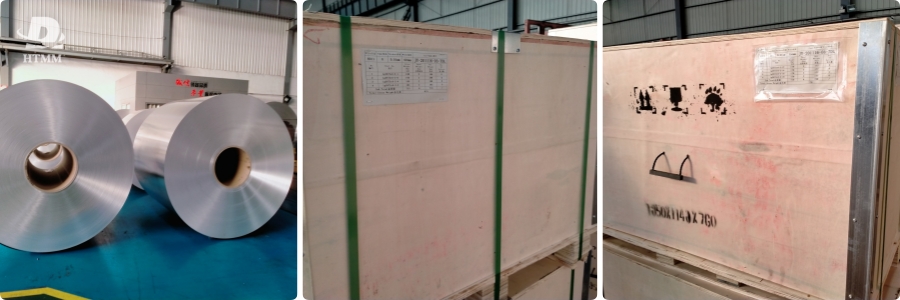
The second reason relates to the cost of inventory. Each roll of foil stored in a wormhouse is an example of invested cash, storage space, and storage costs. Buyers who can coordinate deliveries according to actual production requirements are able to reduce the amount of safety stock and utilize more cash. In case of high-value grades like pharmaceutical-grade foil and wide jumbo rolls, the savings are significant. Using flexible delivery converts inventory from safety stock into a cash-flow operation.
The third reason is associated with changes in the production schedule. The customer orders are changed, new projects are started and production schedules are modified. If foil deliveries depend on fixed dates, there will be a gap in the production process, which will make foil arrive before the production is started. This indicates that the company runs the risk of having the foil damaged.
The last reason is holding capacity. Many packaging facilities have a limited amount of storage space, especially for large rolls. Receiving too much material results in overcrowding and increasing the possibility of damage to the foil as well.
f
The fifth factor pertains to cash flow management. Foil purchases entail large costs, and payment schedules are usually linked to delivery schedules. By ensuring that deliveries are made in line with production and sales schedules, buyers can synchronize their costs for materials with their revenues from finished products. This allows them to ensure better cash flow forecasting and decrease the amount of short-term loans that need to be obtained. Thus, it can be said that flexible delivery is used as an important financial instrument, not only as a logistics facility.
The sixth factor pertains to risk management. There are numerous threats to supply chains, including bad weather, delays in transport, congestions at ports, and customs clearance. A supplier that is able to modify the delivery schedule and redirect shipments allows its buyers to deal with all such disruptions without stopping their production activities. In the same way, if the production of the buyer is disrupted, flexible delivery will prevent the unnecessary accumulation of raw materials and allow it to react properly in any circumstances.
Supplier relationship strength is another significant factor in this scheme. Suppliers appreciate those who inform them in advance about changes in schedules and give them enough notice. Because of that, suppliers tend to give them priority in cases of capacity constraints. Flexible schedule delivery is a two-way process: by respecting the planning process, the buyer gets reliability.
In conclusion, flexible schedule delivery will help decrease inventory costs, match material flow with production, save warehouse capacity, improve cash flow, and strengthen supplier relationships. The buyers must include delivery flexibility in their supply agreements, making it an official part of the contract and specifying all periods of notice, tolerances for volumes, etc. HTMM is ready to provide its customers with flexible delivery plans for the aluminium foil of 8011, 1235, 3003, and 8079 brands.