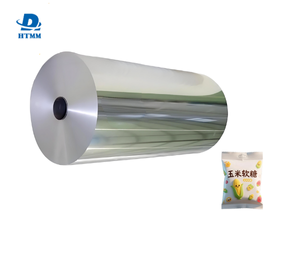
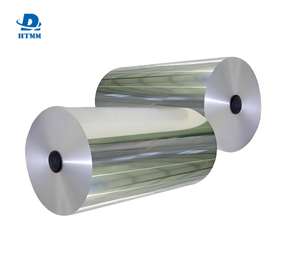
Specification
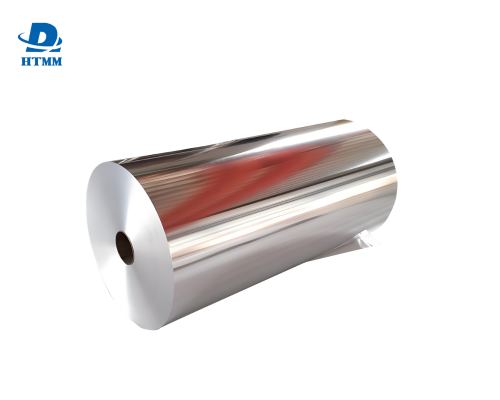
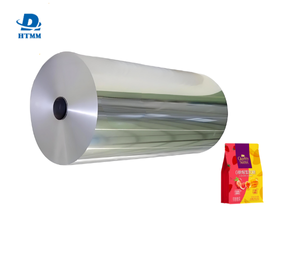
As a food-grade flexible packaging material, 7 micron aluminum foil has become an important flexible material that has properties that cannot be replaced. The properties of aluminum foil used for packaging can meet all different types of food packaging requirements, whether conventional or high-end. HTMM Aluminum Foil Factory has manufactured 7 micron food-grade aluminum foil for more than 15 years and provides top-quality food-grade aluminum foil to the global market, offering food fresher, safer, more efficient ways of preserving food through environmentally friendly packaging solutions.
Details include:
| Type |
Flexible Packaging Foil |
| Application |
To be used for food packaging/ Cigarette Packaging after lamination |
| Grade |
Food Grade |
| Alloy |
1235 8011 8079 |
| Temper |
O |
| Thickness |
0.0055MM-0.03MM |
| Width |
200MM-1600MM |
| Surface |
One side bright, One side matt |
| Packaging |
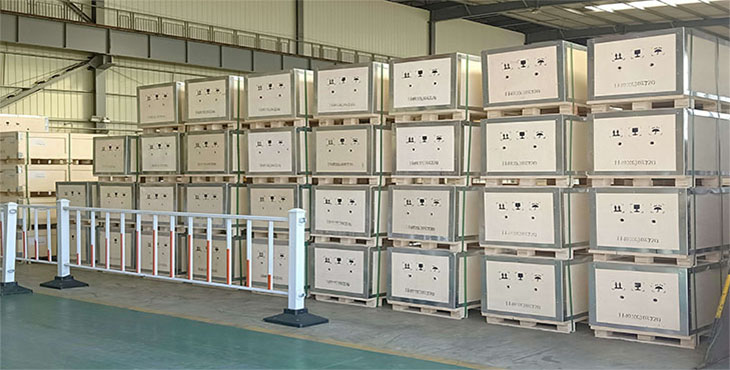
Free Fumigated wooden box |
The 1235 aluminum foil is an alloy that consists of pure aluminum with at least 99.35% purity of aluminum. The limited amount of impurities present in this aluminum alloy gives it excellent surface smoothness and ductility and makes this foil one of the least expensive aluminum foils to use for packaging food products. The O temper of 1235 aluminum foil has a low-density weight (7 micron), making it easy to wrap and laminate. It is manufactured so that it has an even thickness and has a clean (no oil or other contaminants) surface that would be able to be used successfully on rolls or sheets as well as to be processed efficiently on a high-speed production and packaging line.
8011 alloy aluminum foil is one of the most versatile aluminum foils that is used in the 8xxx series for food packaging. It has become the most popular and widely utilized aluminum alloy used for packaging by companies worldwide. The addition of a small quantity of trace iron and silicon improve mechanical strength and reduce pinhole occurrence of 8011 aluminum foils as compared to 1235 pure aluminum foil. Therefore, this foil has excellent rolling properties, folding resistance, and forming ability; in that, it does not have a high tendency to crack or break during high-speed lamination or bending processes.
8079 Alloy is a premium custom alloy created specifically for ultra-thin flexible food packaging. It utilizes an optimal ratio of iron and silicon (0.7-1.3% Iron content, 0.05-0.3% Silicon content) to provide a very low pinhole rate as well as high flexibility at the micro level. The mechanical strength of 8079 7µm aluminium foil is 30-50% greater than that of typical aluminium foil, allowing the foil to maintain structural integrity while being bent 180° repeatedly and making it an overall suitable choice for high-demand barrier-packaging applications.
While all three alloys (1235, 8011, & 8079) can be produced to create 7µm food-grade aluminium foil, they each perform differently and have unique advantages that are differentiated by the application specific to the manufacturer they are being used for, allowing manufacturers to choose material based on quality and cost.
As far as purity and safety are concerned, 1235 Alloy is at the top of the list with extremely high aluminium purity providing superior chemical and corrosion resistance. As a result, 1235 aluminium foil will not readily react with acidic, oily, or sugary foods, therefore making it an excellent candidate for high-food safety standard food packaging; however, due to the mechanical strength, it does not hold up very well to being bent (torn at excessive amounts of stretching).
Alloy 8011 is a good combination of cost and performance, having greater strength and resistance to pinholes (compared to alloy 1235), but also having moderate ductility and processing stability. It does not have any major drawbacks for use in traditional food packaging and is able to satisfy the majority of medium specifications, which makes it a popular choice for food packaging in bulk.
The 8079 alloy is more premium and offers the major benefits of being virtually free of pinholes, excellent foldability and having outstanding barrier properties. When considering packaged goods that are made with ultra-thin (7 microns) aluminum foil, the presence of pinholes is the primary characteristic impacting the barrier properties of those packages. Therefore, use of alloy 8079 effectively eliminates this major issue in the foil packaging industry. The only issue with alloy 8079 is that it generally has a higher cost of production than alloy 8011; consequently, it is typically only used in food packaging applications that have very high value and/or very stringent barrier requirements.
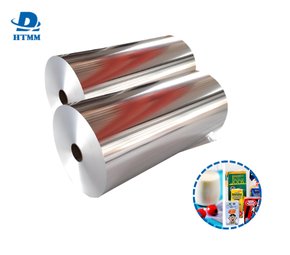
7 Micron food-grade aluminum foil exhibits the properties of ultra-thin (7 micron), lightweight, high barrier, and easy to laminate. As such, it is extremely widely used in flexible composite food packages and provides barriers to moisture and oxygen to an extent that would be unattainable with traditional food packaging methods across the vast majority of main-stream food categories.
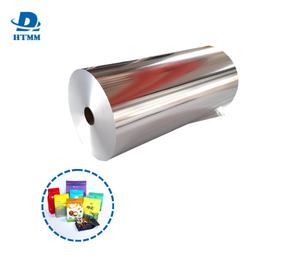
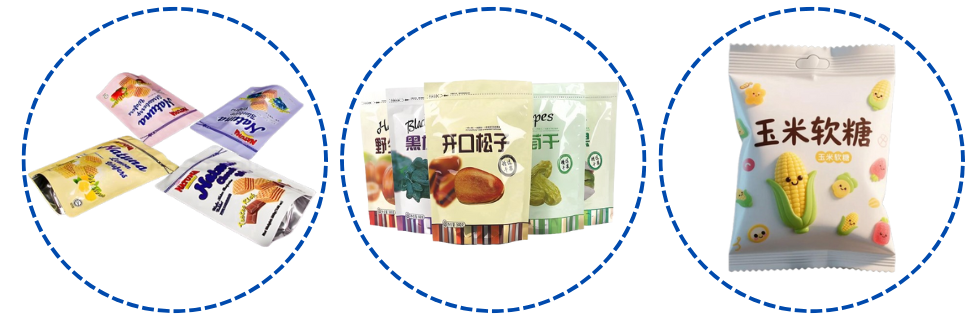
The most common use of 7 micron aluminum foil is to produce packaging solutions for snack items, including chips, nuts, chocolate, candy and baked goods. The high barrier properties of 7 micron aluminum foil significantly inhibit moisture absorption by maintaining a barrier to moisture and preventing moisture-processed snacks from softening due to moisture content. This extends the shelf life of the snacks, as well as ensuring their quality (i.e. – preventing snacks from oxidizing and/or changing colour).
7 micron aluminum foil is the preferred material for packaging dairy products and fatty foods (such as butter, margarine, yogurt lids, and milk powders). The barrier properties of 7 micron aluminum foil provide excellent resistance to grease and fat oxidizing, thereby preserving the freshness and flavour of these products. Grease and fat degradation (rancidity) can also lead to undesirable odours in the product.
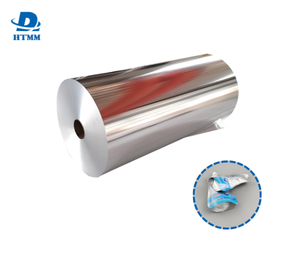
7 micron aluminum foil is also an ideal packaging material for separate, instant food and beverage products (including seasoning packets; instant coffee; tea bags; and fully contained, self-heating); therefore, 7 micron aluminum foil used in this manner allows these products to be heat-treated (i.e. - through high temperature sterilization) and sealed using conventional heat sealing methods. 7 micron aluminum foil provides a strong, durable, and relatively heat-resistant barrier to moisture erosion; hence 7 micron aluminum foil preserves the quality of frozen foods for extended periods of time.
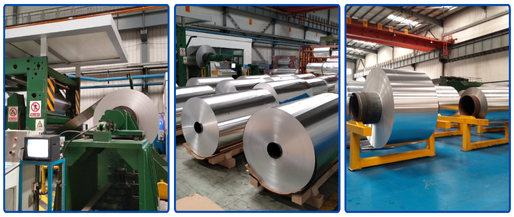
HTMM has over 15 years of export and production history of food-grade aluminum foil and has successfully created a fully standardized, high-quality manufacturing operation for producing 7 micron food packaging aluminum foil. The facility utilizes modern precision rolling machines and is driven by strict food-grade production requirements, leading to consistent thickness control, clean surface, and consistent performance of 7 micron aluminum foil products.
HTMM manufactures food-grade aluminum foil products in series 1235, 8011, and 8079 and meets the requirements of food grade. The products have all been certified to many international food safety standards, with a variety of customizable features including temper, width, and surface finishes. The facility follows very strict quality control procedures for each step of the production process, including screening raw materials and finished products to ensure consistency and also to achieve a high qualification rate. HTMM's 7 micron food aluminum foil has been exported to customers in Southeast Asia, Europe, United States, Africa, and the rest of the world, resulting in a long-term trust and mutually beneficial service relationships with packaging manufacturers and food manufacturers.