The thickness of aluminum foil is a determining factor in the quality of the lamination. In most cases in flexible packaging, aluminum foil does not remain the only component and instead gets bonded to films like PET, BOPP, or PE, resulting in layers of material. Foil serves as a barrier, while plastic foils give strength, seal and print the whole structure. A very thin foil may not survive the lamination, whereas if it were too thick, it might make the bonding impossible or increase the cost severely. What is important when buying aluminum foil is to understand the influence of its thickness on every stage of lamination.
To begin with, aluminum foil thickness has an impact on the barrier properties of the material. The material works as an obstacle for moisture, oxygen, and light, but only in case it is continuous. Thinner foils, especially those thinner than 7 microns are likely to develop holes during the processes of rolling and further handling. These holes serve as “tunnels” for air and moisture, which undermine foil’s ability to provide protection. On the contrary, foils which are thicker than 9 microns are much denser in terms of holes and provide more stable barrier properties
The second influence pertains to mechanical stability during the lamination process. The foil moves through the laminator under tension between rollers and sometimes also through ovens or nip points. The extremely thin foil has low tensile strength and limited stretchability and is therefore prone to tearing, wrinkling, and web breaking. These interruptions cause loss in yield and necessitate the operators to slow down the line. Thicker foils have high tensile strength and dimensional stability, which allows for higher line speed and fewer interruptions. Hence, production efficiency is directly linked with thickness.
The third influence relates to adhesive bonding and surface contact. Lamination requires uniform contact of the material with adhesive and counter film. Should the foil be too thin, it may not conform properly and form micro-wrinkles in spots, causing loose areas and delamination to happen. On another hand, if the foil is too thick, it will not conform properly at the nip point, especially at a high speed. To put it simply, the best thickness is the one that keeps both flatness and contact and allows enough of the adhesive to be transferred without either starving or excessive bonding.
The fourth effect has to do with heat transfer during curing of adhesive. Many lamination techniques involve the use of heat to activate some adhesives. In this case, aluminum is a good conductor of heat. That means that the thickness of the foil determines the speed and uniformity of heat transfer in the adhesive layer. For example, thin foil heats up rapidly, but at the same time it loses heat to other films. On the other hand, thick foil has more thermal mass, which stabilizes the process. However, this may require more energy or forces the production to slow down. The consistent thickness guarantees consistent heat transfer that is crucial for uniform bonding on the whole material.
The fifth effect relates to printing and coating processes that can be executed either before or after the lamination. In this case, smooth and uniform surface of the foil is necessary for even ink transfer and coating thickness. Variation of foil thickness leads to uneven tension and causes printing problems. For that reason, the customer that is concerned about the quality of printing must place the order properly indicating foil thickness as well as the tolerance and the flatness of the foil thickness.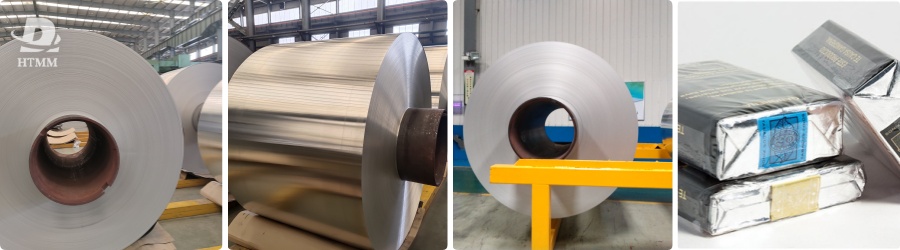
The sixth effect relates to sensitivity to pinholes and the integrity of the package once the lamination process is completed. Even with the lamination process having been done, the pinhole problem persists, because thinner foils should be handled even more carefully and be used in conditions of the higher cleanliness, so that more pinholes are avoided during the converting process. The thicker variants of foils are less demanding in terms of production conditions, so they can withstand the pressure of the production process.
The seventh effect deals with the economic aspects and efficiency in terms of material. Being thicker requires laminating with a more quantity of aluminum, which means expenses associated with it. Being thinner lowers expenses, but increases the number of defective products and waste due to the quality issues. The ideal variant is to have the product as thin as possible while still being effective.
In conclusion, foil thickness impacts lamination quality in terms of barrier performance, mechanical strength, bonding properties, heat transfer rates, printability, risk of pinholes, and costs. Customers should determine thickness in relation to their specific applications, verify tolerance and pinhole specifications with their manufacturers, and check performance on their own lamination lines. HTMM offers 8011, 1235, 3003