Heat sealing Packaging relies on a proper interaction between aluminum foil and a sealant layer. Incorrect foil characteristics cause failure of the seal resulting in product contamination and spoilage. Heat sealing, unlike traditional lamination, applies heat, pressure, and dwell to a packaging structure. The foil must be able to withstand the heat, pressure, and dwell without delaminating, warping, or compromising the barrier. The most significant properties are surface cleanliness, gauge (thickness), temper and softness, pinhole control, mechanical properties, wettability, and winding. These are the factors that influence sealing performance and strength and this paper discusses each in detail and explains why these are the critical properties in food, pharmaceutical, and industrial heat sealing.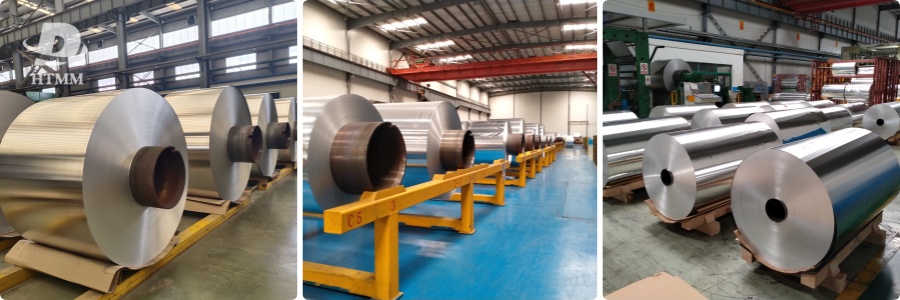
1. Surface Cleanliness and Wettability
Cleanliness of the surface is vital. Residual rolling oil, paper dust or other contaminants will hinder the seal coat from bonding with the foil. For heat sealing the residual oil should be less than 2 mg/m2. The surface must also have uniform wettability so adhesives or sealants can spread evenly. Contaminated or uneven surface of the foil will result in variable seal strength when in roll form. Buyers should ask for surface cleanliness testing reports and use a test procedure such as the ASTM D2578 test for wettability. A clean, even surface will give consistent results for every seal.
2. Thickness Consistency
Ensuring consistent package quality and performance Standard foil thickness ensures consistent performance to maintain temperature evenly over the entire surface of the heat-seal foil. Most foil package manufacturers keep heat-sealing foil within a +/- 5% thickness standard. Increased throughput requirements on packaging lines have lead many manufacturers to tighter specifications for high-speed lines. Thickness should be measured at several points across the width and along the length of the packaging roll. Maintaining a very narrow standard for heat-sealing foil helps ensure consistently high-quality seals, enhances pouch and bag performance and reduces rejects.
3. Temper and Softness
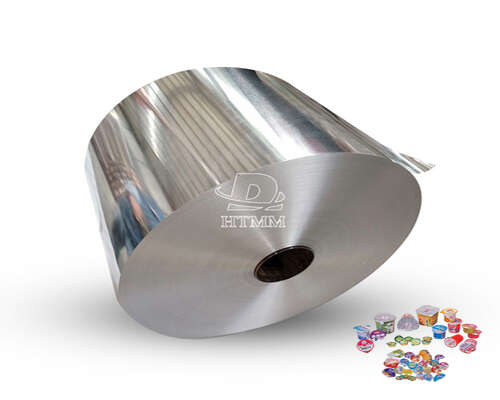
The temper of foil defines how it will perform at heat sealing and how it can be handled after sealing. Soft O temper foil readily conforms to the heat sealing layer creating a complete seal. Harder tempers are less conformable and can result in an incomplete seal. For lidding on yogurt cups, water bottles and pharma blister packs, the usually softer O temper is typically better. And the metal has to be able to bend without cracking when folded or sealed around the edges of the package. Confirm the temper with your supplier and test for your actual sealer.
4. Pinhole Control
Pinholes affect barrier performance and heat-sealability. They are affected by minor processing changes and are about the size of a pin head. They are too small to see except under a microscope but allow oxygen and moisture to pass through the package. For heat-sealing use in food and pharma applications, pinhole limits are, at 7µ, less than 200 per m², 8µ less than 100 per m², 9µ less than 50 per m². For heavier foil gauges the limits are lower. The supplier should be able to provide online laser pinhole detection systems that will run at the rated line speed and inspect the entire roll width. The buyer should insist on pinhole inspection reports, with the entire roll tested.
5. Mechanical Strength
Mechanical strength is important during heat sealing and after. The foil must endure web tension without rupture or deformation; it must not be damaged by pointed product edges or the package handling process. Tensile strength and elongation are most relevant here. The elongation requirement should be enough to enable forming and sealing without cracking and the tensile strength need only be high enough to make it through converting and distribution. For containers and trays, hardness and dent resistance are also relevant.
6. Surface Finish and Coating Compatibility
A heat-sealing foil is coated with a sealing layer when using heat sealing packaging. The foil surface has to be suitable for the coating or sealing film used. Certain applications require the foil to be coated in advance; others require the sealing layer to be coated at the time of lamination. In either case the foil must be conducive to coating uniformly and have a good bond; finish, matte or bright, must be in accordance with the order. The purchasing quality will need to be tested before starting up the line.
7. Winding Quality and Roll Parameters
Winding quality can determine the smoothness of foil on the sealing line. Winding tension irregularities can result in telescoped rolls and wandering of the edges. These defects result in improper and inconsistent sealing. Roll end faces must be clean and flat, free of bulges. Winding tension must be tight and uniform. Roll core diameter, roll diameter and roll weight must be compatible with the equipment. Norms for core diameter are 76mm and 152mm. Customers should verify all these parameters and should be given a sample for trial before bulk purchase.
8. Why These Properties Matter Together
While it is impossible for just one property to ensure a high quality heat-seal performance, the sum of all property specifications combined are what determine if the seal will deliver the desired performance. These specifications should be: cleanliness, thickness uniformity, temper, pin hole control, strength, contact film compatibility, and good winding. If one property is below specification, the seal can be compromised regardless of how well others may be maintained. Buyers of heat-sealing foil should create a complete quality specification to which all properties should be checked, and standards written down as acceptance criteria. No one property can be overlooked and still achieve a perfect seal. Henan Tendeli Metallurgical Materials Co., Ltd. (HTMM) is dedicated in manufacturing aluminum foil for heat-sealing packaging in 8011, 8079, 1235, 3003 and 8006 alloys. Founded in 2009 with more than 10 years' experience exporting, HTMM has over 3000 customers around the world and apply strict quality control to each batch of production.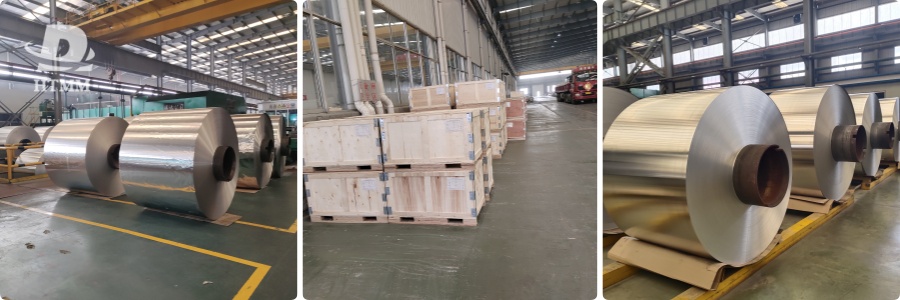
Heat-sealing packaging is tough on foils. It requires: Surface cleanliness to promote adhesion. Thickness tolerance for seal integrity. Temper and softness for conformability. Pinhole control to eliminate leaks. Mechanical strength for puncture and handling. Surface finish for coating compatibility. Winding quality for efficient production. Consumers who specify and monitor these critical characteristics will get perfect seals, with no pinholes or glass breakage. For quality assurance, technical services and yield, work with an experienced foil manufacturer, like HTMM. When it comes to heat-sealing packaging, the right foil properties can mean everything.