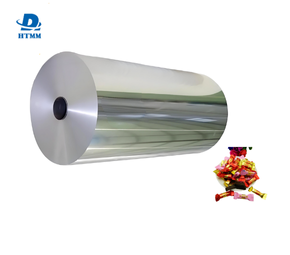
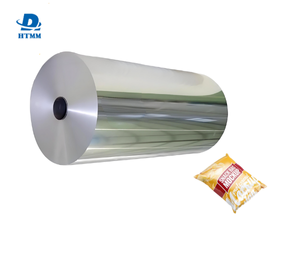
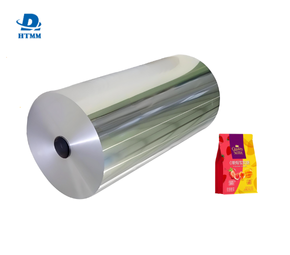
Specification
The thickness of 8011 aluminum foil is designed to provide the mechanical and functional requirements for many differing applications and is available in multiple thicknesses ranging from 0.006mm through to 0.2mm. Each thickness range has been defined to provide optimal performance at the lowest possible material cost for each type of application.
Details include:
| Type |
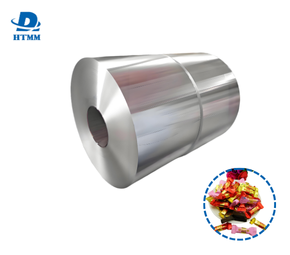
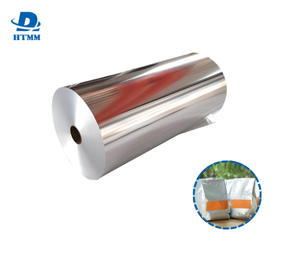
Flexible Packaging Foil |
| Application |
To be used for food packaging/ Cigarette Packaging after lamination |
| Grade |
Food Grade |
| Alloy |
1235 8011 8079 |
| Temper |
O |
| Thickness |
0.0055MM-0.03MM |
| Width |
200MM-1600MM |
| Surface |
One side bright, One side matt |
| Packaging |
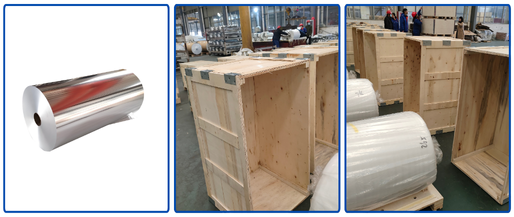
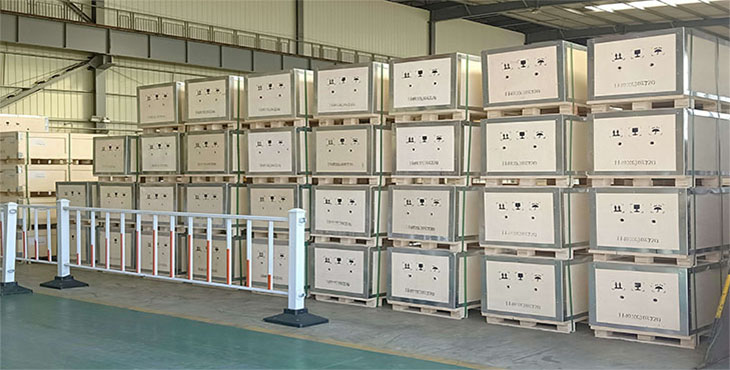
Free Fumigated wooden box |
Household Foil 0.01–0.02 O, H14, H16 Flexible and tear-resistant; suitable for wrapping food, covering bowls, and grilling. Resists temperatures from -40℃ to 250℃, safe for ovens and refrigerators.
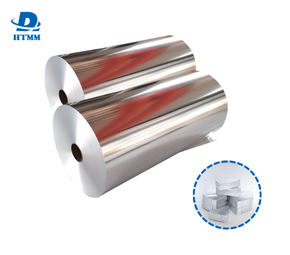
Food Container Foil 0.02–0.20 H22, H24 High formability and rigidity; used for stamping disposable takeaway boxes, baking trays, and milk caps. Withstands high-temperature sterilization and prevents oil leakage.
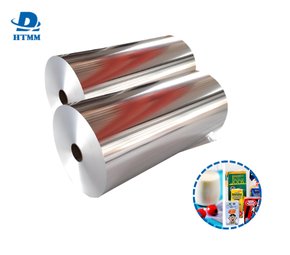
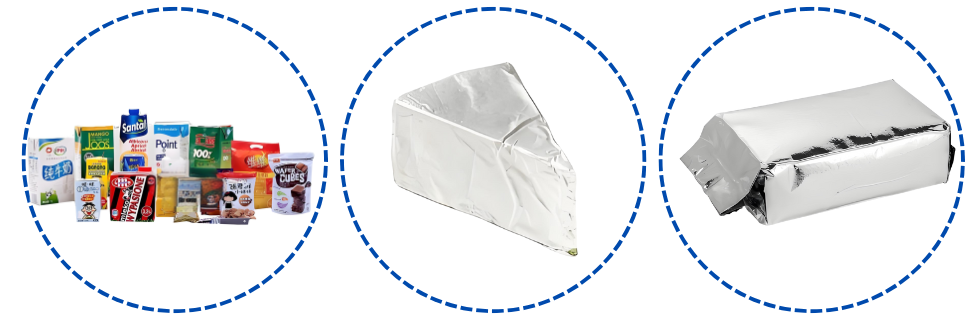
Flexible Packaging Foil 0.009–0.05 O, H18 Excellent barrier performance; compounded with paper/plastic for snack bags, pharmaceutical blister packs, and beer labels. Ensures freshness and extends shelf life.
Pharmaceutical Foil 0.02–0.075 H18 High cleanliness and sealing; used for PTP blister packs of capsules and tablets. Low pinhole density (≤1 per m²) and compliance with food contact standards.
Industrial Foil (Cable/Insulation) 0.01–0.20 O, H18 Flat surface and good insulation; used for cable shielding and thermal insulation materials. Resistant to corrosion and easy to compound with other materials.
Due to its chemical make-up and its resulting electronic properties, 8011 aluminium is the most widely used type of aluminium foil used in industry. This is because it has properties that satisfy the basic requirements for many different types of packaging.
The chemical make-up of 8011 foil has been optimized to offer superior mechanical performance compared with pure aluminium foil. The addition of Fe (0.60 to 1.00%) and Si (0.50 to 0.90%) to a maximum of 98.5% total aluminium content allows 8011 foil to be balanced between the strength of the material and the amount of flexibility in the product. Compared to pure aluminium foil, 8011 foil has much higher tensile strength (55-110 N/mm2 depending on 0.025 - 0.040mm thickness) and the addition of these two elements increases the tear resistance of 8011 foil, making it ideal for both flexible wraps and stamping into rigid containers. The temperature states of 8011 foil (O for soft and H-series for hard) also contribute to its increasing versatility, from the softest aspect of pharmaceuticals to the hardest aspect of the packaging for take-out boxes.
Second, 8011 foil has excellent barrier and safety properties. 8011 foil's solid set metallic construction gives it superior resistance to moisture, oxygen, and light; therefore, it protects the food and pharmaceuticals from oxidising, absorbing moisture, and losing aroma. As an FDA-approved, EU-compliant (both) material, it is non-toxic, flavourless, and its compliance with the internationally recognised standards means it can be used in direct contact with food and drugs. In addition, 8011 foil's resistance to high temperatures (up to 250℃) and low temperatures (-40℃) enables it to be used in baking, refrigeration, and sterilisation.
Third, 8011 foil has superior processability and provides an economical option. 8011 foil can be easily processed (stamped, embossed, printed, compounded with other materials) to meet the various customisation needs of different industries. Advanced rolling technology enables manufacturers to control the thickness tolerance of foil within ±0.003mm; therefore, they can ensure consistency in manufacturing. Additionally, the lightweight nature of 8011 foil leads to lower freight costs, while its recyclability supports green packaging trends.
8011 Aluminium Foils, which is a significant component of the 8011 aluminum packaging, demonstrates reliable resistance to corrosion due to the development of a thick oxide coating on the aluminium's surface, making it resistant to corrosion. The large and dense layer of oxides prevents erosion by the acidic, high-salt, and oily substances found in many foods, beverages, and pharmaceuticals. Also, the very low earing rates of 8011 foam also ensure the uniformly formed products created through stamping, which results in scrap rates being less than 0.5% during mass manufacturing.
8011 Aluminum Foil (also known as 8011 Foil) has been recognized as a fundamental part of the 8011 Foil Packaging Industry because of the diversity of uses it has in the Home and Kitchen, Food Containers, and Flexible Containers. The thickness of the foil that is custom designed, along with its mechanical properties, barrier performance, ability to be processed easily, and the safety of 8011 aluminium foil allow for its use in a wide variety of situations. As the need for environmentally-friendly, effective, and safe packaging increases, so will the importance of 8011 Aluminium Foils supporting the growth and implementation of new products in the Food, Pharmaceutical, and Industrial Packaging Markets by adhering to all Environmental Regulations. The balance between performance and cost that can be achieved by 8011 Aluminium Foil is one of the reasons it continues to be a top choice for manufacturers and consumers around the world.