Specification
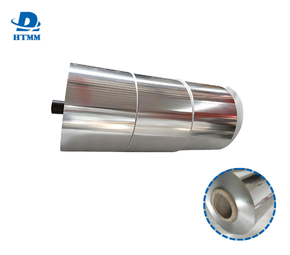
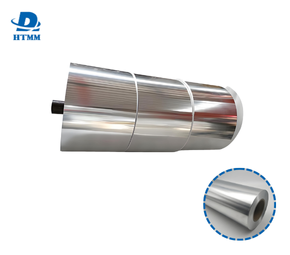
While an 11 micron aluminum foil does not provide the same strength as a thicker aluminum foil product, it gives consumers an excellent balance of flexibility, cost, and function. Thus, 11 micron aluminum foil will continue to be an effective and dependable product for many common applications in households and for light-duty packaging.
Details include:
| Alloy |
8011, 1235 |
| Temper |
O (Soft) |
| Thickness |
8–25 microns |
| Width |
200mm–1600mm |
| Roll Core ID |
76mm (3 inch) or 152mm (6 inch) |
| Surface |
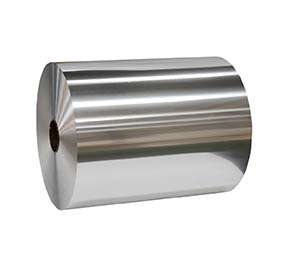
One side bright, one side matte |
| MOQ |
3 tons per size |
| Packaging |
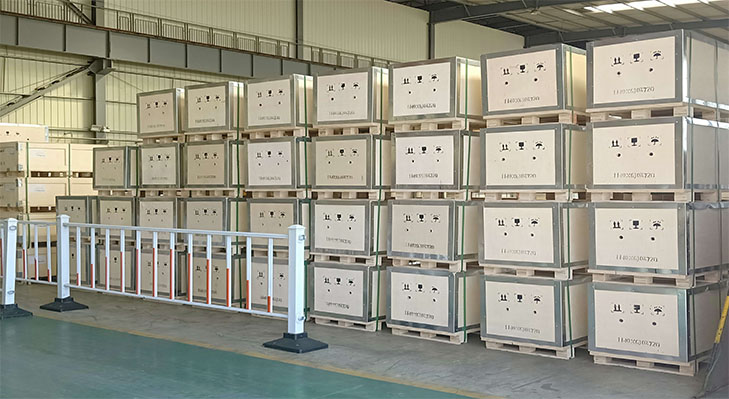
Standard export wooden case |
| Customization |
Thickness, width, logo, and packaging can be customized |
| Application |
Household kitchen foil rolls, catering foil, baking foil, wrapping foil |
| PAYMENT TERM |
30%T/T Advance + 70% Balance |
What is 11 Micron Foil?Aluminum foil is manufactured in different thicknesses, which are usually measured using a unit commonly called the micron or micrometre (mm). An eleven-micron piece of aluminum foil has a thickness of 0.011mm, which means it is a lightweight and thin product that works well for kitchen or packaging uses of a lightweight / light duty nature.
Commonly Used Aluminum AlloysKitchen aluminium foil is constructed of specific mixes or alloys of aluminium. These blends have been chosen based on their characteristics of strength, flexibility, and their ability to be safe for food use. The two most commonly used alloys for kitchen foil are 8011 and 1235.
The key characteristics of 8011 foil are strong and corrosion-resistant. In addition, 8011 foil has excellent formability due to its ability to be folded, wrapped, or shaped around food easily.
The majority of food packaging is done using 1235 foil. 1235 has a very high purity level of aluminium; therefore it has exceptional barrier properties and prevents moisture, oxygen, and light from penetrating the packaging material and affecting the freshness of the packaged food.
The following are specific characteristics of these two aluminium alloys that make them suitable for use with food.
Non-toxicity (can be safely in contact with food)
Excellent barrier performance (porous to air; impervious to all other substances)
Good flexibility and ductility
Moisture and light resistance
These properties of the two alloys will keep food safe and healthy while being stored and transported when using aluminium foil.
Some benefits of using 11 Micron Aluminium Foil which can be used for your everyday kitchen tasks:
Very Thin/Flexible
The very thin structure allows this foil to be able to fold & wrap completely around a variety of food shapes without tearing or breaking.
Excellent Barrier Properties
Aluminium Foil has natural barrier properties providing an excellent physical barrier to moisture, oxygen, light, and odours. This preserves the quality of the food being wrapped.
Safe & Clean for Food Contact
Food Grade Aluminium Foil is manufactured to high cleanliness standards, ensuring it’s suitable for direct contact with food.
Easy to Use, Cut, Wrap and Shaped
Rolls of Kitchen Foil produced from 11 Micron Aluminium Foil are easy to dispense, cut & shape for many different purposes in the kitchen.
Everyday Kitchen Uses for Aluminium Foil
Food Wrap / Storage
11 Micron Aluminium Foil is one of the most widely used to wrap food. You will find it used to wrap fruit, vegetables, sandwiches, & left-over food. Aluminium Foil prevents food from drying out and keeps it free from contamination from outside sources.
Cooking & Baking
Aluminium foil is also popular in cooking and baking. The following are some examples of how aluminum foil can be used:
- To line baking trays so that food does not stick
- To wrap meat, fish or vegetables for cooking in the oven
- To cover dishes to retain moisture during cooking
Using aluminum foil in these ways makes it a convenient tool for preparing many different kinds of food.
Short-Term Food Preservation
Aluminium foil blocks light, air and moisture due to its non-permeable nature and is therefore a good choice for short-term food preservation. Many people find that wrapping a food item in aluminum foil will reduce the rate of spoilage and keep it fresh longer in the refrigerator.
Benefits of 11 Micron Aluminum Foil
There are many different ways that 11 micron aluminum foil is popular in kitchens at home as well as in packaging.
- Lower Cost For Home Use - 11 micron foil is a good value for anyone using high volumes of aluminum foil in their kitchen. The reason for this is that because 11 micron foil is thinner than 15 micron or 20 micron foil, less material is used in the production of the foil, thus, providing an economic benefit for daily home use.
- Easy to Dispense from Standard Foil Rolls - Most 11 micron foil is purchased in household-sized rolls, which fit in standard kitchen dispensers.
- Good for Light Duty Use in the Kitchen - 11 micron foil works well for wrapping food, lining baking trays, and storing leftovers in the refrigerator.
- Convenient for Disposable Food Packaging - 11 micron foil is lightweight and is reasonably priced, making it a good product to use for disposable food packaging.
Considerations on Limitations
Though there are a number of advantages to 11 micron aluminum foil, there are also several limitations to consider regarding its use.
Lower strength
Compared to thicker foils (14 – 18 microns), 11 micron aluminum foil does not provide as strong an adhesive bond with itself and is less resistant to tearing.
Tears More Easily
Because the 11 micron foil is thinner, it will tear more easily when used to wrap heavy foods or foods that have sharp edges (i.e. bones).
For heavy-duty cooking / barbecuing, it makes more sense to use a thicker (14 – 18 micron) aluminum foil.
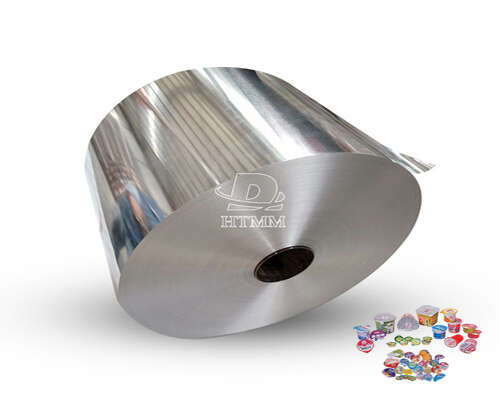
Flexible Packaging Use of Aluminum FoilIn addition to being used in the kitchen, 11 micron aluminum foil is also commonly used in the packaging industry to provide flexible packaging. Flexible packaging materials made from aluminum foil have superior barriers that provide excellent protection from external elements while preserving product quality, and extending shelf-life.
Many times, aluminum foil is laminated to a variety of different substrates (plastic film, paper, etc.) to create multi-layered flexible packages when used in food packaging.
Snack packaging PET / Aluminum foil / PE Moisture and oxygen barrier
Dairy products Paper / Foil / PE Light protection and sealing
Pharmaceutical packaging Aluminum foil laminate Protection from moisture and contamination
Food sachets BOPP / Foil / PE Extended shelf life
Aluminum foil is an excellent barrier material that has many uses in today's food packages because it prevents food from becoming contaminated by oxygen, light, moisture, and/or other contaminates.
In conclusion, aluminum foil (11 micron) is a useful and versatile material that is commonly found in kitchens and used for flexible packaging. Because of its lightweight and flexibility, as well as good barrier properties, aluminum foil is an ideal product for wrapping food, storing leftover food, and facilitating easy cooking.

.png)
.png)
.png)
.png)