Specification
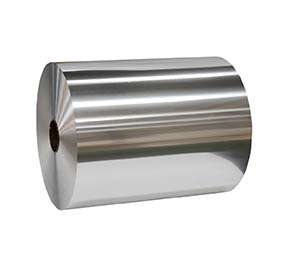
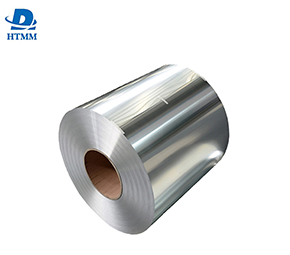
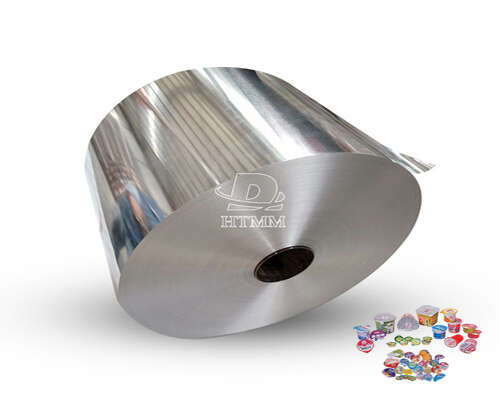
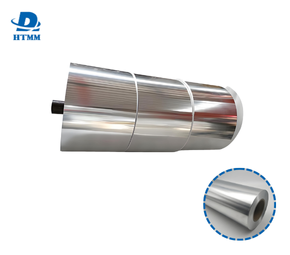
A jumbo roll of food grade (FDA Approved, USDA Organic) aluminum foil is a huge roll of aluminum foil that is designed for use as a wrapper, container or packaging for food. Food grade aluminum foil is manufactured to very exacting standards to ensure that it is safe to be used as a packaging material to contact food, either directly or indirectly.
Details include:
| Alloy |
8011, 1235 |
| Temper |
O (Soft) |
| Thickness |
8–25 microns |
| Width |
200mm–1600mm |
| Roll Core ID |
76mm (3 inch) or 152mm (6 inch) |
| Surface |
One side bright, one side matte |
| MOQ |
3 tons per size |
| Packaging |
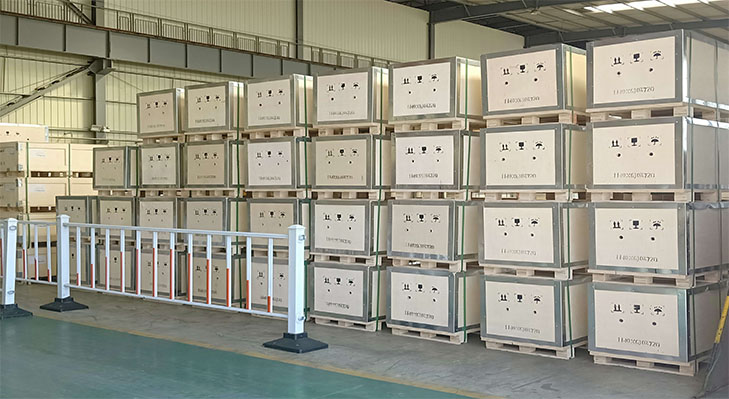
Standard export wooden case |
| Customization |
Thickness, width, logo, and packaging can be customized |
| Application |
Household kitchen foil rolls, catering foil, baking foil, wrapping foil |
| PAYMENT TERM |
30%T/T Advance + 70% Balance |
he process used to manufacture food grade aluminum foil large rolls begins with the production of high-quality aluminum ingots from an approved aluminum source. The ingot is initially hot rolled and then cold rolled to produce the appropriate width and thickness of aluminum sheer for the final foil product. The last step of manufacturing large rolls of food grade aluminum foil is to anneal the aluminum foil roll for additional strength and to provide the required flexibility of the aluminum foil before being wound into large rolls to send to foil converters.
Food grade aluminum foil is manufactured in accordance with international food safety and hygiene standards. Manufacturing of food grade aluminum foil uses strict controls to keep the environment free from contamination of any kind. The surface of the aluminum foil must also be free of any oils, stains or defects to provide food processors and the end-user with a safe and suitable product for use in the processing and packaging of food.
Compatibility with Standard Rewind Equipment
Standard rewinders are machines that are used by foil converters to take large 'jumbo' rolls (of foil) and make them into smaller, finished rolls (of foil). The rewinding process is where the foil is wound (provided with the necessary tension and alignment) onto smaller cores (rolling paper or cardboard) from the original 'jumbo' roll.
The rewinding process begins by placing the 'jumbo' roll onto the rewinder and unwinding one section of the foil. This is accomplished by pulling the foil off of the 'jumbo' roll through tension control systems and then through slitting units (if the foil has to be cut down to a narrower width). The final step is to rewind the foil onto the smaller core (of paper or cardboard) to create the standard household-sized roll of aluminum foil.
To be able to operate smoothly on a rewinder, aluminum foil 'jumbo' rolls must comply with the following requirements:
- Have stable thickness (thickness must remain the same throughout the roll) to prevent any 'uneven' winding.
- Have good surface quality. If the surface of the foil is not smooth, it will be easy to tear or wrinkle during the rewinding process.
- Possess proper mechanical strength. Rewinders use high-speed operation to rewind the foil onto the smaller cores, so the foil must be strong enough to withstand this speed.
- Have accurate width tolerances for more economical operations of slitting the foil and rewinding the foil.
Using higher quality 'jumbo' rolls allows foil converters to produce a higher level of productivity with less material waste.
The qualities that make food grade aluminum foil so great
There are many key characteristics that food grade aluminum foil has that makes it an ideal material for use in packaging food products.
Non-Toxicity and Safety for Food Use
Aluminum foil is safe to use directly with food, as it is non-toxic, chemically inert, odourless, and does not chemically react with the majority of commonly-used food ingredients. When it is used normally as part of food packaging, aluminum foil does not leach any potentially toxic materials into the packaged food.
Exceptional Barrier Properties
Aluminum foil has exceptional barrier protection qualities. It keeps moisture, oxygen, and light out of your food to maintain the freshness of your food and to help prevent it from spoiling.
Flexibility and Resistance to Tear
Aluminum foil is extremely thin, yet it is very flexible and durable. It can easily wrap around foods without tearing or breaking, making it a convenient packaging option for households and commercial users alike.
Ability to Withstand High Temperatures
Aluminum foil can withstand very high temperatures, which makes it suitable for use in cooking, baking, and grilling, as well as storing food.
Typical Jumbo Foil Roll Specifications
When developed, food grade aluminum foil jumbo rolls were manufactured with varying specifications to meet the needs of different foil converting machines, as well as to satisfy the different markets for foil uses.
8011 aluminium foil is the most commonly used alloy for household aluminium foil production because of its high strength, corrosion resistance and ability to be processed easily.
Main Applications
Food grade aluminium foil is commonly used in a variety of food packaging and kitchen applications. Some of these applications are:
Kitchen Aluminium Foil
Jumbo rolls are cut into small consumer rolls for the purpose of wrapping food, storing leftovers and cooking.
Catering & Food Service Packaging
Catering companies, restaurants and food delivery services use aluminium foil for packaging food items such as hot meals and take-away food.
Private Label Production in Supermarkets
Supermarkets produce their own branded aluminium foil products. Jumbo rolls are converted to retail rolls and packaged as private label products.
Food Wrapping & Cooking
Aluminium foil is widely used for barbequing, baking, steaming and roasting of food, and helps to keep moisture and flavours within the food while cooking.
Benefits for Foil Converters
By using high-quality jumbo rolls of aluminium foil, foil converting companies will benefit in a number of ways, including:
High Production Efficiency
Jumbo rolls produced to high quality standards enable rewinding machines to operate at high speeds, resulting in improved production efficiency.
Stable Thickness and Quality
When producing foil at a consistent thickness, foil converting companies will produce uniform finished products and low rates of defect during the rewinding process.
Tailored specifications
Foil manufacturers can alter the thickness, weight and width of their foils for different markets and machinery.
Jumbo Rolls = Reduced Processing Costs = Increased Profits
When converters purchase raw materials in jumbo rolls, they benefit from the economies of scale associated with volume, thereby lowering their production costs and improving their profitability.
Jumbo rolls of food-grade aluminum foil are an integral part of the food-grade foil converting sector. They are the raw material used to produce the finished product (i.e. the household roll) that is found in most kitchens and used to package food products throughout the world (i.e. restaurants, grocery stores, etc.).
High-quality foil jumbo rolls run smoothly on standard rewind machines, thereby increasing production efficiency; they also guarantee consistency in product quality. Because of the increasing worldwide demand for convenient and sanitary food packaging, the market for food-grade aluminum foil product is projected to continue to grow.

.png)
.png)
.png)
.png)
.png)