Specification
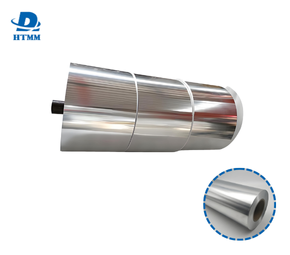
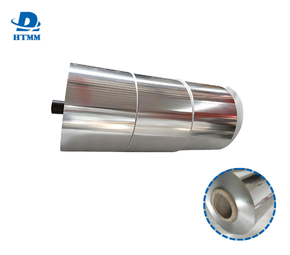
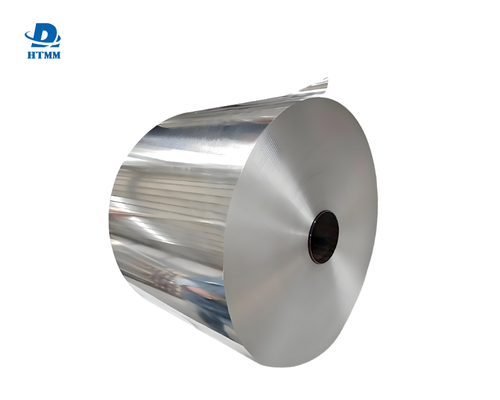
The company's product range includes the following product types: household foil, flexible packaging foil, food container foil and pharmaceutical foil. The company can offer tight tolerance control, food-grade surface treatment and multiple slitting options specifically for 14 micron 8011-O household foil. The company's mission is to create value for its customers through high-quality products and dependable service.
Details include:
| Alloy |
8011, 1235 |
| Temper |
O (Soft) |
| Thickness |
8–25 microns |
| Width |
200mm–1600mm |
| Roll Core ID |
76mm (3 inch) or 152mm (6 inch) |
| Surface |
One side bright, one side matte |
| MOQ |
3 tons per size |
| Packaging |
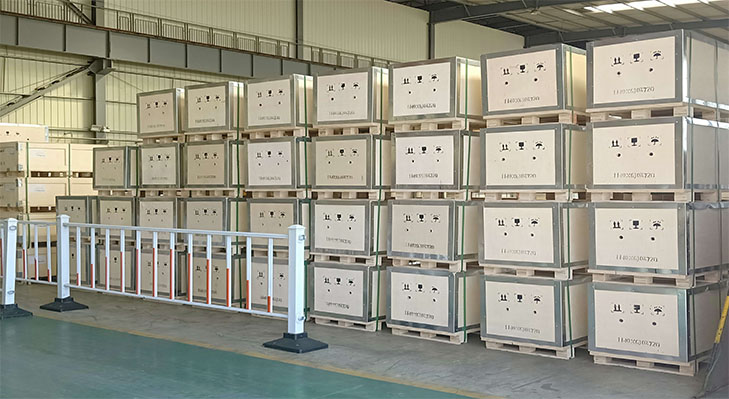
Standard export wooden case |
| Customization |
Thickness, width, logo, and packaging can be customized |
| Application |
Household kitchen foil rolls, catering foil, baking foil, wrapping foil |
In modern kitchens, the aluminum foil is an underneath, unsung hero. However, not all aluminum foils operate as effectively as one another. The preferred specification of aluminum foil for both home cooks and private label brands has been established as a 14-micron thick (8011-O) household aluminum foil. This aluminum foil features a much greater degree of tear resistance than an average economy 10-12 micron thickness. The particular aluminum alloy (8011) creates aluminum foil with an excellent degree of formability while possessing an “O” temper (fully annealed), making it very soft and easy to work with. When these properties are combined, they provide a product that is able to wrap closely around food while maintaining its position and providing excellent puncture resistance when using a grill or an oven. For the consumer who wants a reliable product without the cost of purchasing a commercial heavy grade product, 14 micron (8011) aluminum foil is considered the best of both worlds.
More people than you might think care about the 8011 alloy. A lot of cheap foils are made with recycled alloys that don't have consistent properties, which can cause them to tear or become stiff at random. 8011, on the other hand, is a controlled composition that was made just for foil rolling. It has very little silicon and iron, which makes a fine grain structure that stops pinholes from forming. The "O" temper means that the foil has been fully annealed, which means that it has been softened by heat and won't spring back. The foil stays where you put it when you wrap a sandwich or cover a bowl. This dead-fold property is what makes high-end household foil better than springy, annoying alternatives. When private label manufacturers use 8011-O, they can be sure that every roll will work the same way.
Why 14 microns rather than 12 or 18? Twelve micron foil tends to rip when using it to wrap sharp foods such as a whole chicken or bread rolls. Eighteen microns make foil too thick and inflexible for routine household uses like wrapping foods, making it feel unreasonably bulky and wasteful. However, a thickness of 14 microns strikes an ideal balance. Fourteen-micron foil holds up to normal domestic usage like bending inside a pan, folding around lasagna slices, or draping over a hot grill without tearing. But it is thin enough to easily wrinkle to fit the contours of irregularly shaped leftovers. Fourteen-micron foil is well-regarded in customer surveys for its "hand feel" and "ease of use". In addition, it feeds smoothly through roll slitting machinery used by homeowners.
Even if not strictly controlled like the medical or commercial food packaging industries, household aluminum foil must still meet all food safety requirements. Reputable manufacturers will produce all their 14 micron 8011-O foil using food-grade rolling oil, and the food-grade rolling oils used will be completely evaporated away during the annealing process. The final product should not impart any off-flavors or off-odors to the food being placed on it. The finished product must also exhibit no corrosion when in contact with corrosive foods, such as lemon-marinated fish or any tomato-based dish. Many less expensive foils will react with the acid contained in these types of foods, resulting in a black discoloration and/or a metallic taste. High-quality 8011-O foils will not react at all, as they are made through a proper manufacturing process. When purchasing aluminum foil, look for an indication of "food safe" or "FDA compliant." A better option is to purchase from suppliers that provide a quality analysis report showing the amount of purity per alloy and surface cleanliness of the foil.
When used in the kitchen, 14 micron 8011-O foil works well for almost everything. Before baking, use it to cover casserole dishes. The foil reflects radiant heat, which keeps the tops from burning while the insides cook through. Use foil to wrap potato skins or corn on the cob for grilling. The foil can handle direct flame contact for short periods of time. Put parchment paper in roasting pans so that cleaning up is quick after sticky honey-glazed meats. Make temporary piping bags for melted chocolate.
Cover bowls of dough that are rising to keep moisture in. You can even use it for things other than food, like wrapping paintbrushes between coats or protecting oven racks during self-cleaning cycles. Cheap 10-micron foils fall apart when crumpled, but 14-micron stays strong even after being folded many times. One roll really takes the place of many specialty items.
Private label brands and kitchen supply manufacturers need to identify a seasoned manufacturer who can provide reliable supplies of 14 microns 8011-O foil. An appropriate manufacturer will have rolling mills that incorporate accurate gauge controls (±5% for consumer foil products). He will be able to supply various roll dimensions, usually 300mm, 450mm, and 600mm rolls to cater to varying box dimensions for retailing.

.png)
.png)
.png)