Specification
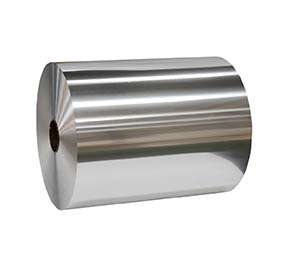
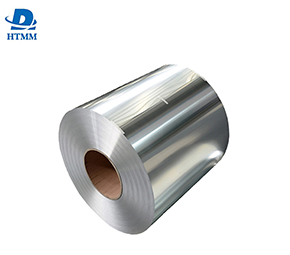
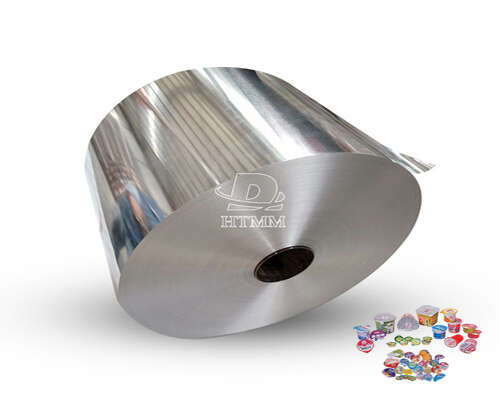
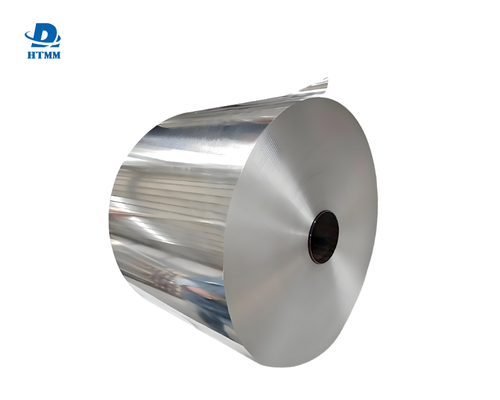
The standard requirements for our 10–24 micron kitchen aluminum foil are listed in the table below. On request, non-standard specifications may be fulfilled.
Details include:
| Alloy |
8011, 1235 |
| Temper |
O (Soft) |
| Thickness |
8–25 microns |
| Width |
200mm–1600mm |
| Roll Core ID |
76mm (3 inch) or 152mm (6 inch) |
| Surface |
One side bright, one side matte |
| MOQ |
3 tons per size |
| Packaging |
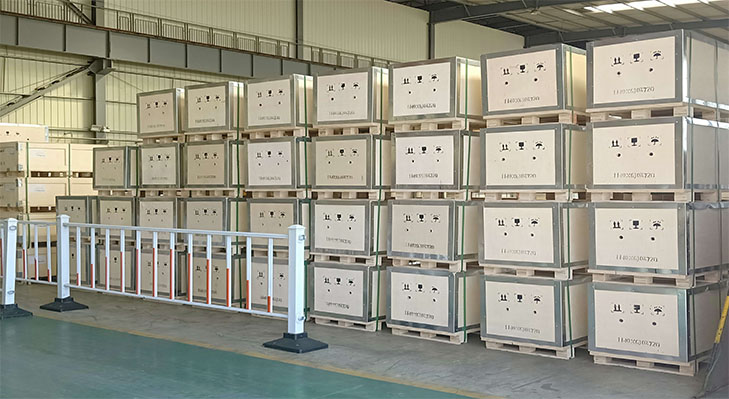
Standard export wooden case |
| Customization |
Thickness, width, logo, and packaging can be customized |
| Application |
Household kitchen foil rolls, catering foil, baking foil, wrapping foil |
| PAYMENT TERM |
30%T/T Advance + 70% Balance |
Wrapping leftovers, covering bowls, and keeping cooked or raw foods in freezers and refrigerators are examples of household food storage.
Baking and roasting include lining baking trays, covering dishes to keep moisture in them, and wrapping meats, fish, or vegetables for oven cooking.
Using heavy-duty foil to protect food from direct flames while retaining fluids and flavor is known as grilling or barbecuing.
Middle Eastern nations are the top-selling markets.
One of the most vibrant and quickly expanding markets for kitchen aluminum foil is the Middle East. Demand is consistently high in nations like the United Arab Emirates, Saudi Arabia, Kuwait, Qatar, and Oman. There are various reasons for this growth:
High Household Consumption: A growing local middle class and a sizable expat population have led to a rise in the consumption of convenience products, such as kitchen foil, in households.
Thriving Food Service and Hospitality Sector: Kitchen foil is essential to the day-to-day operations of the region's quickly growing hospitality sector, which includes hotels, restaurants, and catering services.
Retail Expansion: Branded kitchen foil items are now more accessible and visible due to the region's growing number of supermarkets, hypermarkets, and convenience stores.
Hub for Re-Export: Kitchen foil is supplied to markets in Africa, South Asia, and Eastern Europe by a number of wholesalers in the Gulf region, which serves as a significant re-export base.
HTMM has established a solid reputation in the Middle East by providing dependable lead times that correspond with regional procurement cycles, various customisation choices, and consistent quality.
What HTMM Is Capable Of
HTMM is a long-term manufacturing partner committed to helping our clients succeed in the kitchen foil industry, not just a supplier. Among our skills are:
Full Customization: Every aspect, including alloy choice, roll length, thickness tolerance, packaging design, and branded carton printing, is customized to meet your needs.
Strict Quality Assurance: Every production batch is put through extensive testing that covers elongation, tensile strength, thickness consistency, and compliance with food safety regulations. Each shipment comes with a mill test certificate.
Flexible MOQ and Sample Policy: We support small-sample orders for product testing and provide scalable minimum order quantities to meet seasonal or steady demand.
Quality Assurance and Certifications: To guarantee complete traceability and regulatory compliance, we offer batch testing, food-contact compliance paperwork, and third-party inspection services upon request.
Frequently Asked Questions (FAQ)
What makes 1235 and 8011 aluminum kitchen foil different?Applications inv olving kitchen foil are appropriate for both alloys. High-purity alloy 1235 is perfect for lightweight household foil because of its remarkable softness and formability. On the other hand, 8011 is favored for heavy-duty or thicker foils since it offers somewhat higher strength and better puncture resistance due to its tiny concentrations of silicon and iron. We provide both alloys, and depending on your planned use and market positioning, we can suggest the best choice.
Is it okay to use kitchen foil in ovens and on grills? Indeed, our kitchen foil is made to resist typical oven and grilling temperatures. However, we always advise adhering to basic usage guidelines: make sure the foil is not tightly wrapped around acidic foods for extended periods of time, avoid direct contact with open flames, and avoid using in microwave ovens unless specifically instructed. We can suggest suitable thickness classes for certain high-temperature applications to guarantee peak performance.
Can I get custom retail packaging with my own logo or private-label foil?Indeed, HTMM provides a wide range of private-label and bespoke retail packaging services, such as printed cartons, branded cutter edges, and roll lengths that can be customized. Depending on print runs and packaging complexity, different minimum order requirements apply. For a personalized price based on your unique branding requirements, please get in touch with our sales team.
In comparison to retail rolls, what is the average MOQ and lead time for jumbo coils? To assist small retailers and market research, we provide low minimum order quantities for retail SKUs. Although sample coils can frequently be arranged, the normal MOQ for jumbo coils is roughly one metric ton. Depending on order volume and customized needs, standard production lead times might vary from two to six weeks. On request, expedited solutions could be offered.
When the foil is delivered to Middle Eastern nations, how is it wrapped to avoid corrosion and damage? Protective cores, moisture-proof film, and pallets or wooden crates are used to prepare all foil rolls for shipping. When necessary, anti-corrosion desiccants are used. In order to ensure that the product arrives in the best possible condition, HTMM can tailor packaging to satisfy certain port handling and storage standards in the destination country.
Are recycled-content aluminum foils available? Yes, we may provide foils with recycled content as long as they meet certain performance and alloy requirements. In order for HTMM to suggest appropriate products and offer the required documentation to support your environmental initiatives, please discuss your sustainability goals with us.
How should foil rolls be kept in order to preserve their quality? Foil rolls should be kept out of direct sunshine, corrosive materials, and excessive humidity in order to maintain product quality. To avoid oxidation or particulate contamination, store rolls in sealed packaging until needed. To prevent distortion and preserve their structural integrity, rolls should be kept on pallets or racks.

.png)
.png)
.png)
.png)
.png)