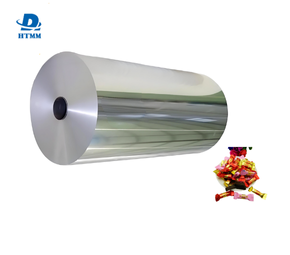
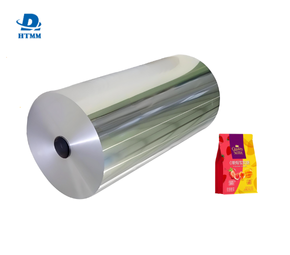
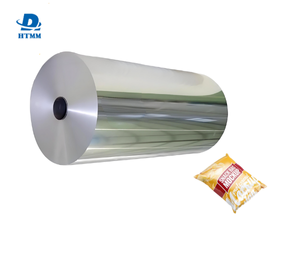
Specification
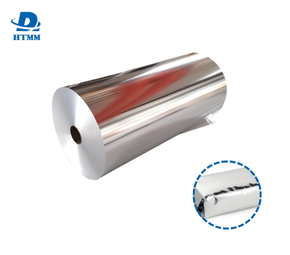
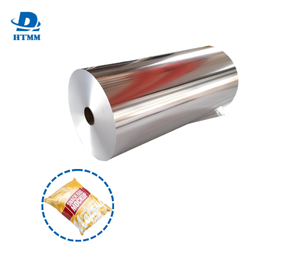
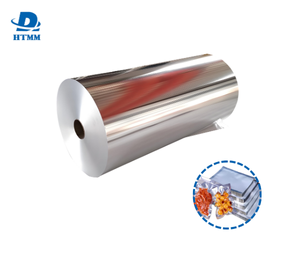
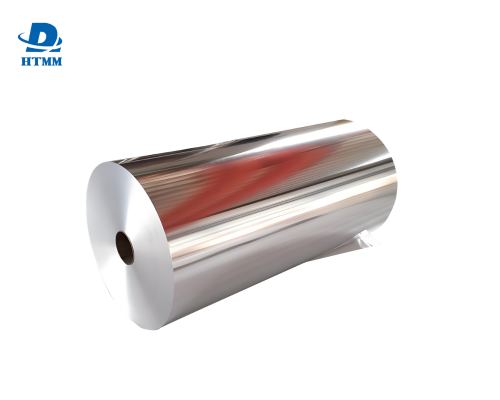
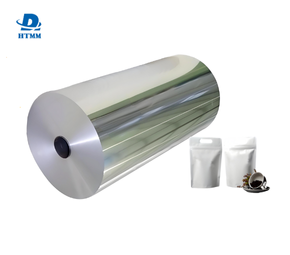
Flexible packaging made from aluminium foil (8079) is never used alone in a Food Packaging application. In Food Packaging manufacturing, the majority of Flexible packaging made from aluminium foil (8079) is supplied as very large Roller sizes and laminated with polyethylene films (for example PET, BOPP, CPP or PE), which creates multi-layer Flexible Packaging structures. These Laminated materials are strong, yet also offer Barrier Performance that helps maintain Food Freshness and Safety, Providing Extended Shelf Life.
Details include:
| Type |
Flexible packaging aluminum foil |
| Grade |
Food Grade |
| Alloy |
1235 8011 8079 |
| Temper |
O |
| Thickness |
0.0055MM-0.03MM |
| Width |
200MM-1600MM |
| Surface |
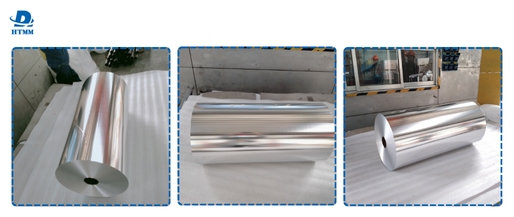
One side bright, One side matt |
| Packaging |
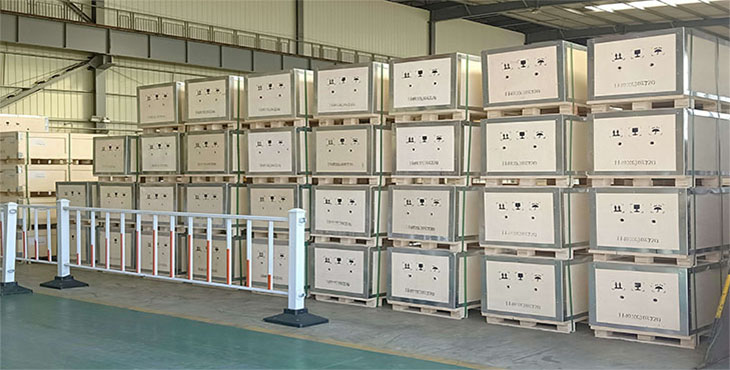
Free Fumigated wooden box |
| Applicable Laminated Types |
PET/AL/PE, BOPP/AL/PE, PAPER/AL/PE, NY/AL/PE |
| Application |
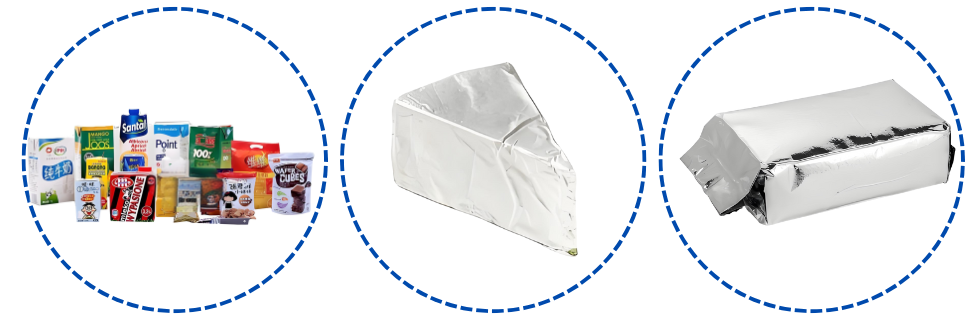
To be used for food packaging/ Cigarette Packaging after lamination,Snack packaging, coffee pouches, dairy wraps, beverage sachets, pharmaceutical packaging |
Industries in Food Flexible Packaging that Need Aluminium FoilFood Flexible Packaging covers many industries and provides barrier protection through the use of Aluminium Foil. Examples of food packaging products that utilize Aluminium Foil include:
Snacking foods, such as Potato Chips, Nuts and Biscuits that need to be sealed against moisture and oxygen.
Dairy products, including Cheese, Butter and Milk Powder.
Coffee and Tea: coffee and tea use a strong barrier protection to keep the aroma in.
Heat Resistance Packaging solutions for Ready-to-Eat Meals and Retort Pouches.
Spices and Sauces in Heat Lamination Flexible Packaging products.
The use of Flexible Packaging Aluminium Foil 8079 provides high barrier performance and Product Stability in all these industries.
Outstanding Performance Benefits of 8079 Alloy Aluminium FoilThe reason Flexible Packaging Aluminium Foil 8079 is widely used in Flexible Packaging is due to its many performance advantages.
It has a High Tensile Strength, which makes it suitable for high-speed printing and Laminating.
It has Excellent Elongation properties, preventing foil breakage while being processed.
1) Pinhole rate is very low, providing excellent barrier performance.
2) The surface of Flexible Packaging Aluminium Foil 8079 is very flat and clean, which is excellent for printing and/or coating on it.
3) The thickness of Flexible Packaging Aluminium Foil 8079 is controlled very well, resulting in packaging that is more consistent once the final package is complete.
With these three qualities, Flexible Packaging Aluminium Foil 8079 has become one of the most trustworthy aluminum foil alloys for food service applications where the packaging must hold up to extreme conditions.
In this table, we can see that Flexible Packaging Aluminium Foil 8079 is used extensively in food packaging because of its benefits listed above.
How Thickness Affects Production of Flexible Packaging Aluminum FoilThe thickness of Flexible Packaging Aluminium Foil 8079 has a direct impact on production efficiency and performance of packaged products:
Thin FPAF (6-9um): Thin FPAF is inexpensive to produce and very light, but it has to be produced with very little pinholes.
Medium FPAF (10-20um): Medium thickness is common because it provides the best combination of strength and barrier properties.
Thick FPAF (20-30um): Thick FPAF is only used for producing packaging that must withstand higher levels of impact and/or weight than normal packaging.
HTMM Foil Manufacturers have a unique advantage over competing foil producers because they produce products with extraordinary levels of thickness accuracy and very strict pinhole control measures as well as state-of-
the-art rolling machinery. As a result, their products have an even coating of thickness and an ultra-low pinhole rate, which enables customers to achieve a higher yield when they are laminating Flexible Packaging Aluminium Foil 8079 and to reduce the losses associated with the production of laminated Flexible Packaging Aluminium Foil 8079 products.
Frequently Asked Questions Regarding the Purchase of Aluminum Foil MaterialWhat is the best aluminum foil alloy for flexible food packaging?8079 Alloy has the best combination of strength and pin hole rate.
How can I determine what aluminum foil thickness to select?When selecting a thickness, consider the complete packaging structure, the type of product you are packaging, and your barrier requirements for your product.
Why is pinhole rate an important quality issue?Higher pinhole rates will decrease your barrier performance for packaged food items, which decreases the shelf life of your product.
What types of quality features should I look for regarding surface quality?The cleanliness of the surface, the flatness of the surface, and the absence of oils and any defects is critical for aluminum foil materials.
Is a larger "jumbo" roll superior to a smaller roll?Yes, a larger roll of aluminum foil materials will reduce the cost and increase efficiency for your industrial production needs.
Is a thicker foil indicative of a better quality aluminum foil?More often than not, thicker foil adds to production costs and decreases flexibility.
What type of certifications should an Aluminum Foil have?Certifications, to name a few, include certifications issued by the FDA, EU for Food Contact or equivalents.
How can a buyer reduce his cost of purchasing?Utilizing standard specifications, purchasing in bulk, and utilizing vendors who are consistent.
What size is appropriate for Foil?Select the size of foil that is exactly the same as your Lamination and Slitting Equipment.Size.
What effect does a lack of Thickness Tolerances have on production?Poor tolerance results in instability of Laminated Products and waste of Material.
Where should aluminum foil be kept?In a dry and clean location, ideally in a pouch or sleeve to protect the foil.