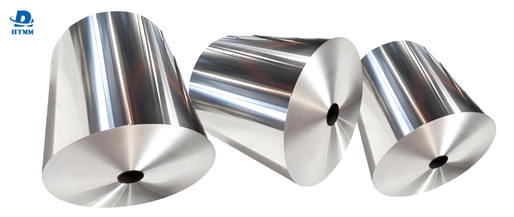
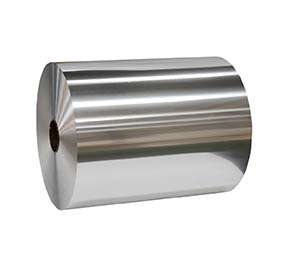
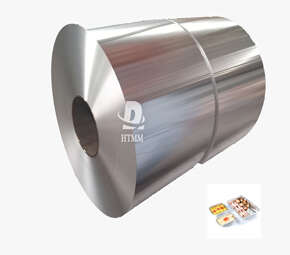
Specification
3003 H24 aluminum foil possesses average strength (people can usually bend it but can still tolerate deformation), and partially meet the minimum requirements for forming and embossing.
Details include:
| Type |
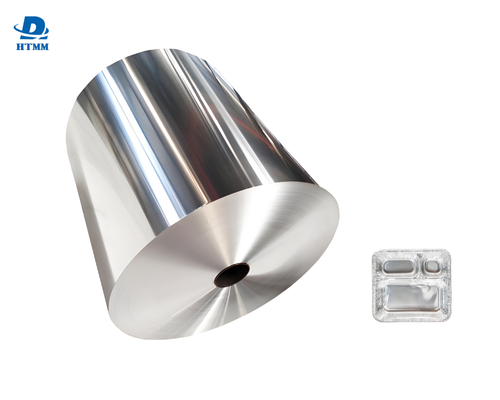
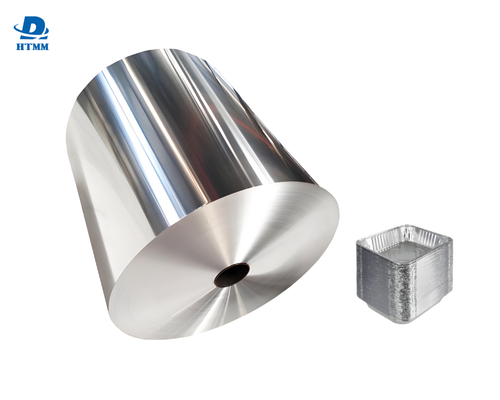
Aluminium Foil for Food Container Application |
| Application |
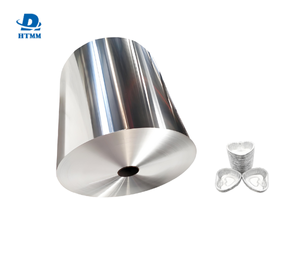
For different food container applications, Such as dishes, plates, trays etc |
| Grade |
Food Grade |
| Alloy |
3003/8011/8006 |
| Temper |
H22 H24 H18 O |
| Thickness |
0.03MM-0.15MM |
| Width |
200MM-1300MM |
| Surface |
Both sides bright |
| Packaging |
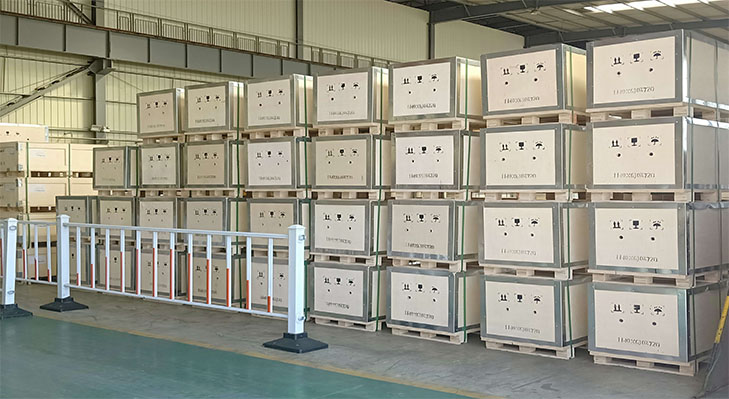
Free Fumigated wooden box |
Due to the part of the aluminum we call manganese makes this type of metal very resistant to high humidity conditions, mild acid environments and even mild alkaline/easy on materials) meaning that it is a safe product in wraps in contact with food and/or seals used in an industrial application.
As with other alloys of aluminum do 3003 H24 has good electrical conductivity and some type of insulation layer its working stability.
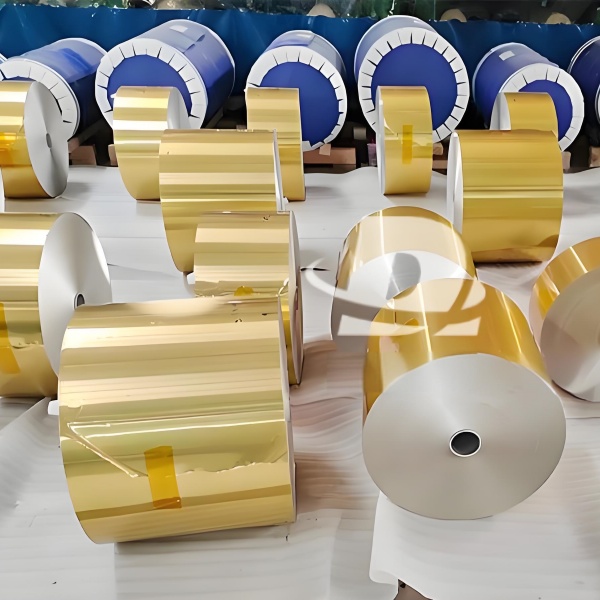
3003 H24 aluminum foil can be produced with several different surfaces—bright, dull, embossed or coated and have proper smoothness to have a proper bond to be able to laminate or have the inks or coatings adhere properly.
Manufacturing ProcessHot and cold aluminium film rolling
The production of 3003-H24 aluminum foil begins with the casting of an aluminum slab, followed by the hot rolling of these slabs through several cold rolling passes, creating a specific thickness of foil (usually measured in inches). Then, the aluminum is annealed, which causes the aluminum to become malleable for rolling, before the final tempering process creates the 3003 H24 condition.
Quality Standards in ManufacturingManufacturers employ a variety of stringent methods for controlling quality through inspection:
Measuring Thickness Tolerances
Surface Defect Inspections
Verifying Mechanical Properties
Detection of Pinholes in Thin Gauges
Customized Thicknesses and Widths
Today’s rolling mills are capable of providing any size requested by the converter to meet requirements of automated manufacturing processes.
ApplicationsContainers and Packaging for Food Use
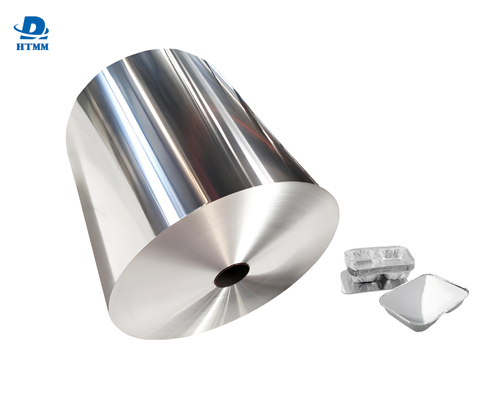
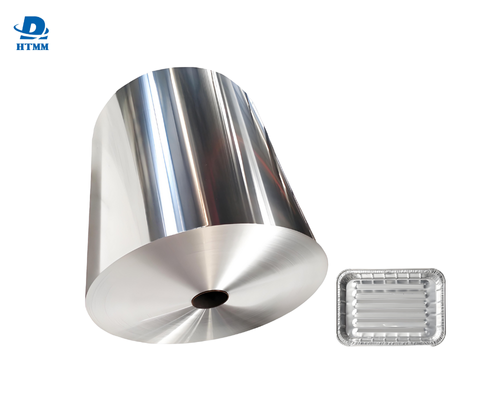
Alloys 3003 H24 are used primarily for containers and packages for food items such as take-away trays, baking pans, and lids because they are very rigid yet also safe to use for food applications.
Industrial Insulation and Sealing Applications
The type of alloy has excellent resistance to corrosion and is an excellent thermal reflector which makes it an ideal material for insulating HVAC systems, wrapping pipes, and providing sealing materials as laminates.
Household and Commercial Foil Products
This alloy can also be converted into rolls of household foils, catering foils sheets, and laminated packaging materials.
AdvantagesStrength v. Flexibility
The H24 temper of the alloy is considered to be in the middle mechanically, therefore it will not tear during the forming process and still maintain its structural integrity.
Cost Effectiveness
Compared to higher alloyed materials, 3003 is very effective at providing the performer with the needed characteristics at a low price—thus, it is very cost-effective for mass production.
Compatible with Fabrication Processes
Its compatibility with stamping, embossing, laminating/coating, and printing makes it a very versatile material in the various industries in which it is used.
Product Features
Corrosion Resistant for Extended Life.
Semi-Rigid; conforms to almost any shape.
Highly Reflective to Heat.
Smooth Surface for Coating or Printing.
Maintains Mechanical Performance during Processing.
Countries where You Will Find This Product in High Demand
3003 H24 Aluminum Foil are highly sought after in areas with developed packaging and construction industries globally. Some of these countries include:
HTMM Foil Manufacturer Will Provide the FollowingA reliable source of worldwide supply capabilities.
Quality Inspection during pre-shipment.
Customizations are available.
Packaging for Export purposes.
Technical Support on Product Selection.
Competitive Pricing at the Manufacturer Level.
Frequently Asked Questions (FAQ)1. What Is the Difference Between 3003 H24 and 8011 Foils?The difference between these two foils is that while 3003 has higher strength because of the addition of manganese, 8011 yields more flexible and better performance for packaging.
2. Can 3003 H24 Be Used for Food?Yes! When manufactured to a food grade standard 3003 H24 can directly be used for food packaging.
3. Can I Get Customized Thickness?Yes! Manufacturers can customize 3003 H24 foil for thickness, width, and coil weight based on your needs.
4. Does 3003 H24 Support Coating or Printing?Yes it does! The smooth surface of the foil allows for good coating, ink, or laminate adhesion.
5. What Industries Use 3003 H24 Foil?3003 H24 foil is used in food packaging, HVAC insulation, sealing of construction, converting of household foils, and manufacturing of industrial goods.

.png)