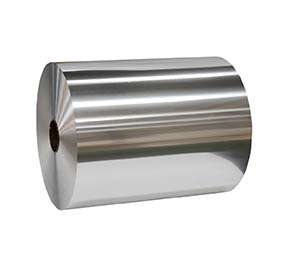
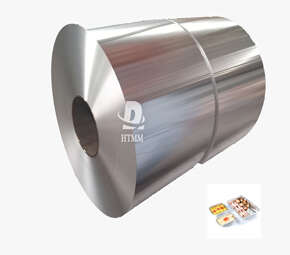
Specification
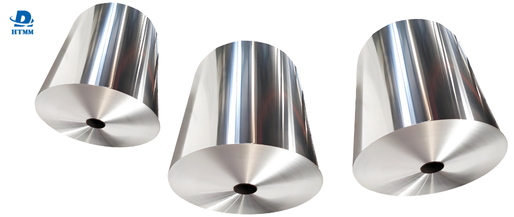
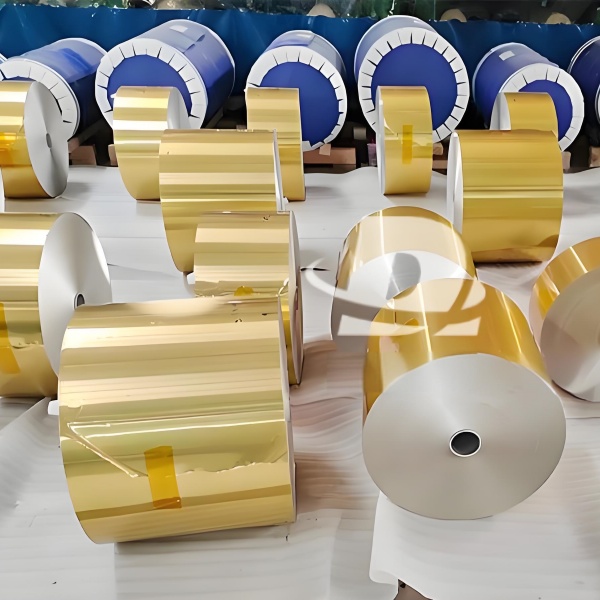
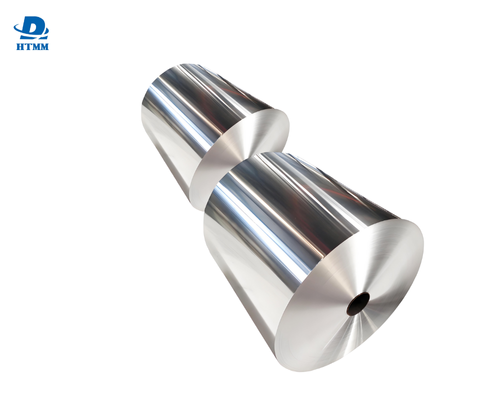
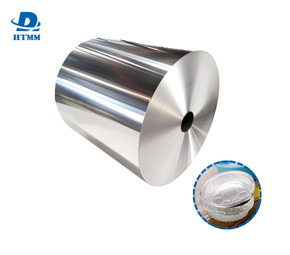
Our foil has the superiority as a Lubricated Container Foil because of both material science and surface engineering. The core alloy formability and temper combine to create the appropriate flow characteristics of the metal to be able to fill die cavities that are intricate in shape; therefore producing containers with uniform wall thickness and structural integrity, without tearing or being excessively thin. The uniform and precisely applied lubricant layer is the multiplier - consistently reducing friction over all of the blanks, thus preventing aluminum pickup on the tools; eliminating scoring and galling; and producing containers that have sharp and defined features.
Details include:
| Type |
Aluminium Foil for Food Container Application |
| Application |
For different food container applications, Such as dishes, plates, trays etc |
| Grade |
Food Grade |
| Alloy |
3003/8011/8006 |
| Temper |
H22 H24 H18 O |
| Thickness |
0.03MM-0.15MM |
| Width |
200MM-1300MM |
| Surface |
Both sides bright |
| Packaging |
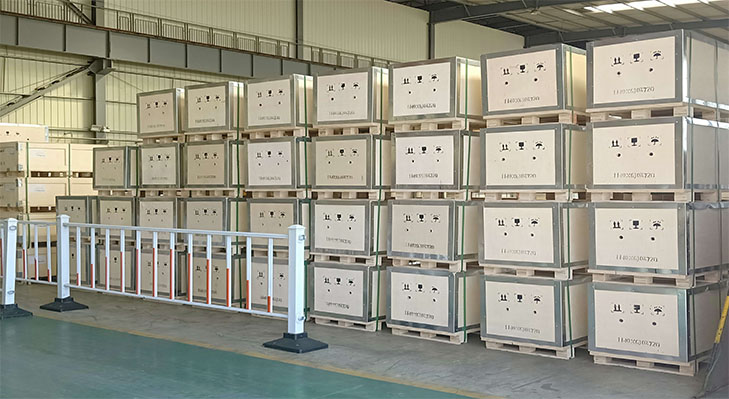
Free Fumigated wooden box |
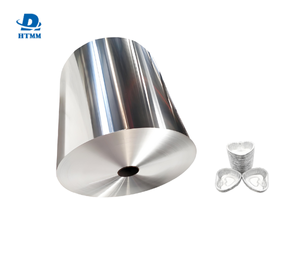
The essential raw material for producing a variety of aluminum packaging solutions is HTMM's lubricated container foil. This type of foil has numerous uses in the production of food containers and trays, including those used in ready-to-eat meals, take-away meals, airline catering, and frozen foods; baking containers such as pie plates, quiche dishes, and baking pans; special containers for pet food, dairy products, and prepared desserts; and lids and closures for a variety of packages. It is designed specifically to be converted by high-speed mechanical presses via impact extrusion, deep drawing, and draw-redraw processes that quickly convert flat sheets of foil into three-dimensional containers.
Bestselling CountriesThis specialty product is experiencing concentrated demand from those areas that have a high level of manufacturing sophistication and high levels of food processing activity. Major areas of markets for this product are North America (USA, Canada), Western Europe (Germany, France, Italy, UK, and Spain), and Asia Pacific (Japan, South Korea, Australia, and China). In addition, there is evidence of growing in the Middle East (GCC countries) and Latin America (Brazil and Mexico) due to growing food service operations in these regions. We sell our foil directly to “Makers” (container manufacturers) and large converters who provide foil to the world’s top food and packaging companies.
HTMM Can Provide You WithWhen you team up with HTMM, you're partnering with a technical expert who will focus on making you more successful in forming and operating your business efficiently. We help you with application engineering, so that together we can determine the best suited alloy, temper, thickness, and lubrication formulation to use for your specific container design and forming press parameters to provide you with maximum tool life and yield. Our vertically controlled manufacturing process emphasizes consistency of materials which is extremely important to achieve successful high volume stamping operations and obtaining consistent results from one production run to another.
We have a flexible and dependable logistics system including Just-in-Time delivery systems to provide a smooth uninterrupted supply chain to your production lines. In addition to providing you with the necessary material, we provide you with technical assistance through metallurgical evaluations and recommendations on how to improve processes to set the stage for correcting problems such as earring, splitting of material, or inconsistent finish of surface. By working with HTMM, you are gaining a reliable partner that will work toward reducing your total cost for each container produced, while at the same time improving your production uptime.
FAQ1. Is it possible for us to regular lubricating foil materials during just a printing process?You could, however, the process will not be as uniform (more inconsistent) and have less accuracy. By utilizing our pre-lubrication process, you can provide yourself with distinct benefits.
Uniformity - Prints evenly across the surface of the foil on both sides evenly, which would be impossible if you tried applying either using spraying/rolling while at the printing press.
Cleanliness & Control - No overspray, misting, and random application during the printing process that would potentially cause unwanted printing issues.
Optimization - The type and amount of lubricating oil that is used have been scientifically engineered to the different types of aluminium foil materials—meaning they produce the best quality print possible.
Efficiency - You would completely remove this process from your production line. This would streamline your process and remove any risk of production downtime caused by this further complication.
2. How do you select 3003 aluminium alloy versus 8011 aluminium alloy for your container?Aluminium 3003 alloy is the most commonly used alloy in both food container manufacturing and general packaging applications. Manganese is the primary additive to pure aluminium that provides both the strength you require and also the best resistance to drawing, thus establishing 3003 alloy as the industry standard for drawn containers with acceptable rigidity and/or stackability characteristics.
Aluminium 8011 alloy is primarily used in applications that require a different set of performance characteristics than those described for 3003 alloy. Examples of these uses would include particular production runs of lids or product containers that require specific post-production characteristics or surface finishes. The best way that we can guide you in your decision for aluminium alloys to recommend the appropriate alloy based upon your container design and any other performance-based needs is to provide a member of our technical team for product assistance.
3. Are lubricants safe, and is it necessary that they are washed off after forming?Lubricants used are FDA & EU compliant, and food safe for indirect food contact. If food is going to be inside of a new secondary container or dry/baked, then the output generally doesn’t need a post-forming wash. If the container is going to be in direct contact with liquids or fatty foods, then the brand owner may recommend a washing process. We will provide advice based on the type of lubricant used and what the ultimate use will be.
4. What will occur if there is an excessive or insufficient amount of lubricant applied to foil?Both excessive and insufficient amounts of lubricant will create difficulties in production.
Excessive Lubricant – Can have production issues from handling slippery blanks to contaminating the press areas. If it is not done correctly, excessive lubricant may create difficulties with subsequent operations such as printing and coating.
Insufficient Lubricant – Will create production issues such as creating excess friction with aluminium pickup on dies, scoring, galling, poor flow of the metal, torn containers and accelerated wear on tools.
Our process control ensures that the coating weight has been optimised for your process.
5. Is it possible for us to have a custom lubricant created to fit the shape of our unique container or an entirely new alloy?The answer is YES! Our R&D and Technical Service Team excels at developing custom lubricants through collaboration with our clients. By varying the lubricant chemistry, viscosity, coating weight, and performing tests under simulated or actual production conditions, we can create a custom lubricant solution to address specific challenges related to forming, achieving a superior surface finish, or making your new alloy a viable option that will enhance and improve the productivity of your container manufacturing process.

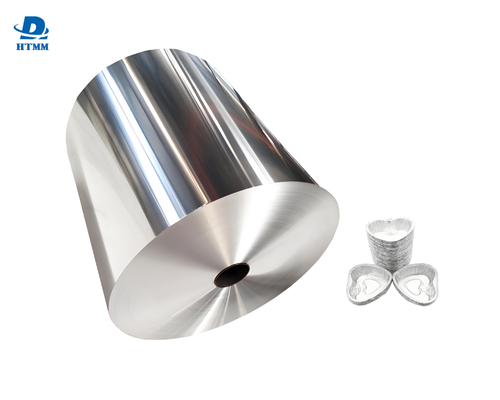
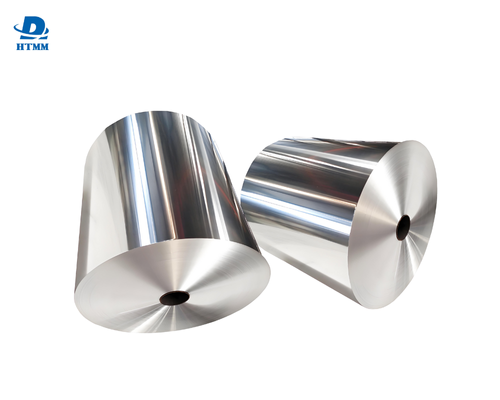
.png)