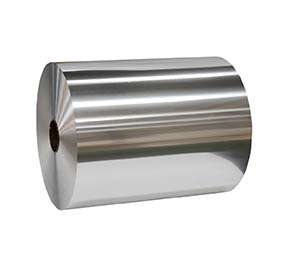
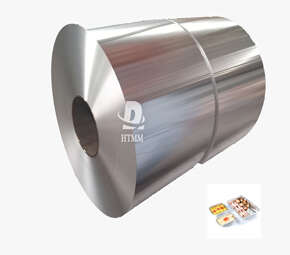
Specification
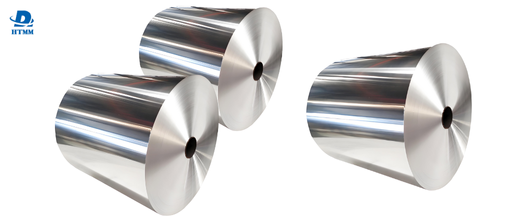
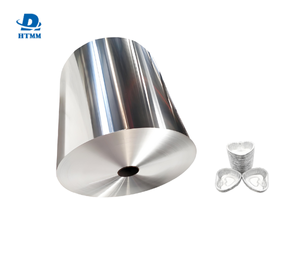
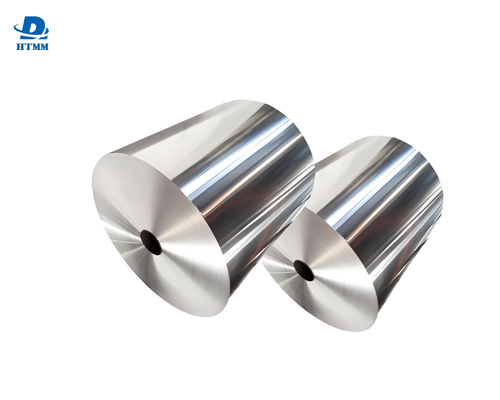
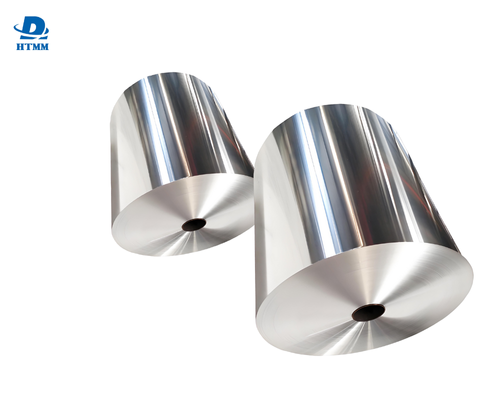
8011 container foil is suitable for the mass production of disposable aluminum foil containers; 8011 H24, 3003 H24, and 8006 H24 are all excellent choices. The specifications are as follows.
Details include:
| Type |
Aluminium Foil for Food Container Application |
| Application |
For different food container applications, Such as dishes, plates, trays etc |
| Grade |
Food Grade |
| Alloy |
3003/8011/8006 |
| Temper |
H22 H24 H18 O |
| Thickness |
0.03MM-0.15MM |
| Width |
200MM-1300MM |
| Surface |
Both sides bright |
| Packaging |
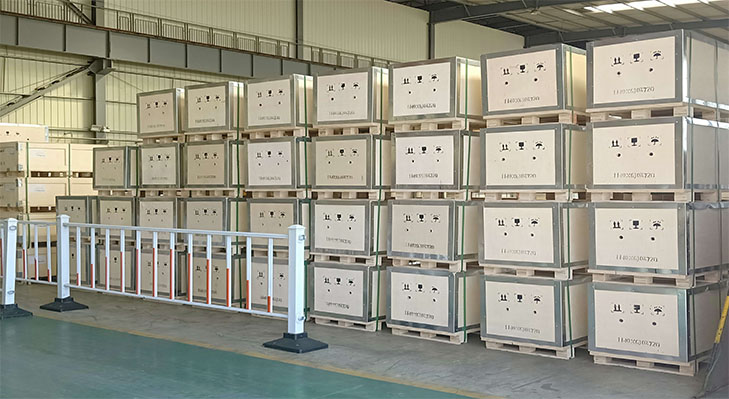
Free Fumigated wooden box |
The following criteria are typically to be specified by a buyer when purchasing a bulk quantity of 8011 container foil:
Thickness: 0.04 to 0.20 mm. Thinner gauges (0.04 to 0.06 mm) are typically used for lids and thicker gauges (0.12 to 0.20 mm) are typically used for heavy duty trays and pans.
Width: From 200 to1200 mm regardless of thickness; slit to match customer's container die size.
Coil inner diameter (ID): 150, 300 or 405 mm. The 300 mm (12 inch) ID is the most frequently used ID in container production lines.
Coil weight: Generally range from 100 kg to 2000 kg; the use of heavier coils minimizes machine change-over time.
Temper: O (soft) for deep drawn containers; H18 (hard) for smooth lidding foil.
Surface Finish: Bright one side and matte one side; are both acceptable finishes for food contact applications with bright on the inside of the container and matte on the outside of the container.
Customization options
Wholesale customers may customize the following items:
Custom widths - Custom splitting to accommodate your container making machines.
Custom tempering - Intermediate tempers - eg, temper H12, to suit certain draw ratios
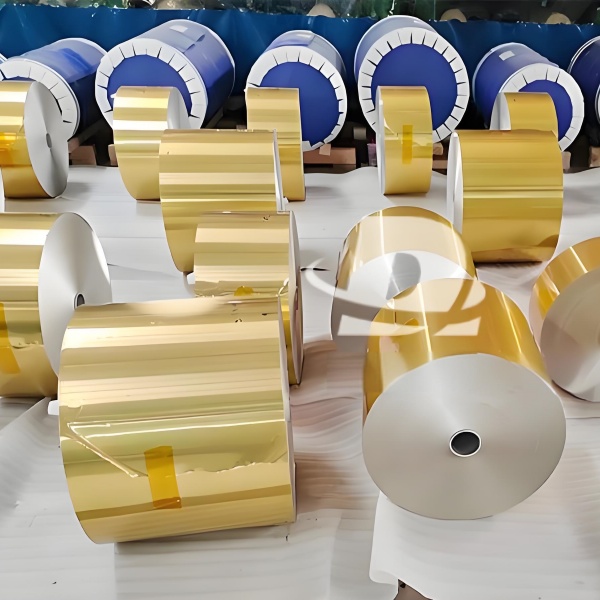
Printed or lacquered foil - Brand or non-stick coating printed during rolling.
Recycled content - Eco-friendly packaging, consisting of at least 75% post-consumer scrap.
How to Choose a Reliable Source
Always request samples of the foil to verify quality prior to making a bulk purchase.
Make sure the foil has food-grade certifications and can be sold to your target market.
Check the mill's capacity for the production of foil as well as its quality control methods.
Negotiate the price based on SME plus conversion to the total price instead of a lump sum price for the foil.
Order a trial container (20-foot) quote to verify the consistency of the foil.
Frequently Asked Questions
1. How is 8011 aluminum foil different from 3003 aluminum foil that is also used in containers? 8011 is more durable and more easily formed than 3003 at the same thickness but has a higher resistance to corrosion than 3003, making it not as good an economic choice for single-use containers compared to 8011. The industry standard for takeaway trays is the 8011 aluminum foil while heavy-duty catering pans that require repeated bending are made from 3003.
2. Can aluminum foil containers made with 8011 aluminum foil be put in an oven or air fryer? Yes! 8011 aluminum foil can easily withstand an oven or air fryer temperature of up to 200°C/400°F for more than 30 minutes without damage (do not place directly onto an oven heating element or open flame). Be sure to check the thickness of the foil before use as very thin lids (0.04mm) may warp; whereas trays 0.07mm or thicker will perform very well.
3.What is the proper thickness to order for different types of containers?Lidding foil (plain and/or heat-seal) should have a thickness of 0.04-0.06mm, small dessert cups and miniature tart pans should have a thickness of 0.06-0.08mm, standard takeaway containers (1-2 compartments) should have a thickness of 0.08-0.10mm, it is best to use 0.12-0.15mm for large roasting trays and pie plates, while it is best to use 0.17-0.20mm for heavy-duty steam table pans.
4.How can I verify that wholesale 8011 foil is indeed food grade? You can obtain an independent laboratory test for heavy metal migration (including lead and cadmium) and totals of oil residue, or you can check the mill’s FDA or EU declaration. A reliable source will provide a "Certificate of Analysis" (CoA) for each batch of product. A simple "field test" to determine if foil has high levels of residue is to wipe the foil with a white paper towel; if there is any grey mark from oil residue, then the foil is likely very oily.
5.What is the lead time for a wholesale order of 8011 container foil? Once the Chinese mills have received your deposit or letter of credit, they normally produce foil within 15-25 days. Freight shipment will add an additional 25-40 days to the shipping time of the majority of Western ports from China's mill (i.e., Los Angeles, Rotterdam). Air freight shipment is available for sample orders, but it is not cost effective for full coil orders (the delivery time for samples is generally 3-5 days). Always allow an additional one to two weeks for customs clearance.

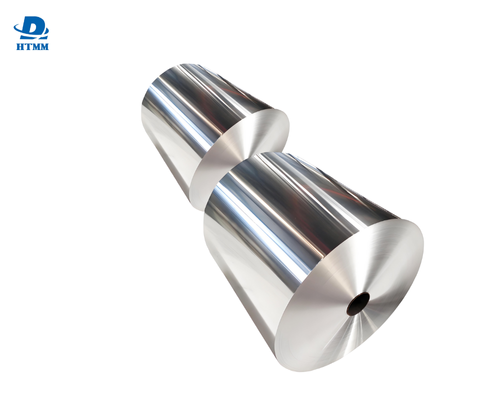
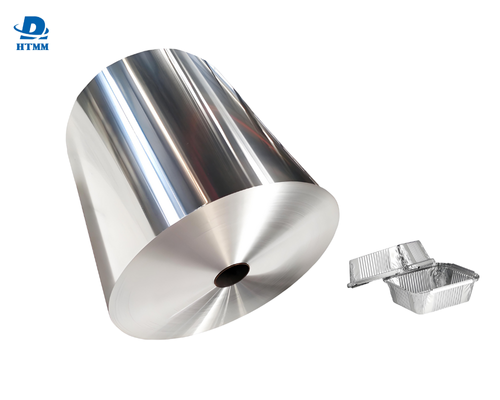
.png)