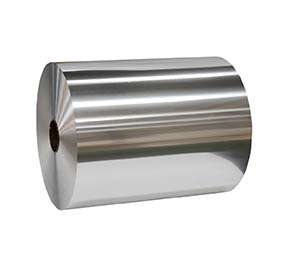
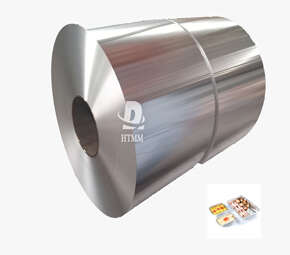
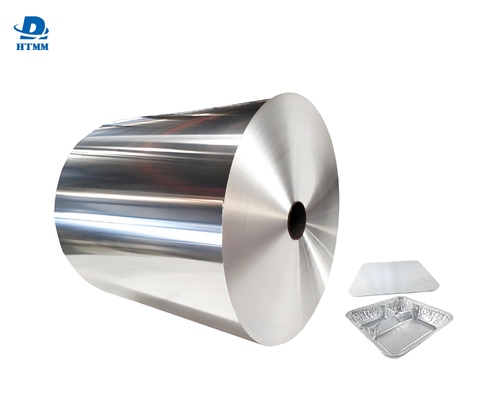
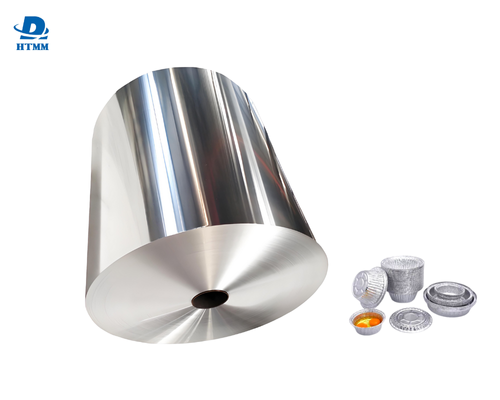
Specification
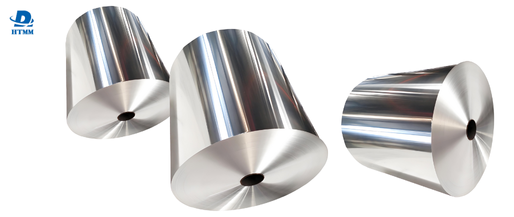
3003 aluminium alloy is the most suitable raw material for applications requiring high strength and load-bearing characteristics. When combined with manganese, 3003 alloy has superior tensile strength and rigidity compared to 8011 alloy, as well as improved resistance to deformation and corrosion. 3003 alloy is the ideal choice for large, deep-drawn foil trays; high-capacity catering containers; and trays for acidic, oily, and salty foods because it will not soften or leak during usage. Very few high-end disposable foil products use 8079 or 8006 alloys, which are characterised by a denser organisational structure, enhanced barrier performance, and increased safety, primarily used for high-precision packaging of food and export-grade foil trays; these alloys are generally more expensive than aluminium alloys.
Details include:
| Type |
Aluminium Foil for Food Container Application |
| Application |
For different food container applications, Such as dishes, plates, trays etc |
| Grade |
Food Grade |
| Alloy |
3003/8011/8006 |
| Temper |
H22 H24 H18 O |
| Thickness |
0.03MM-0.15MM |
| Width |
200MM-1300MM |
| Surface |
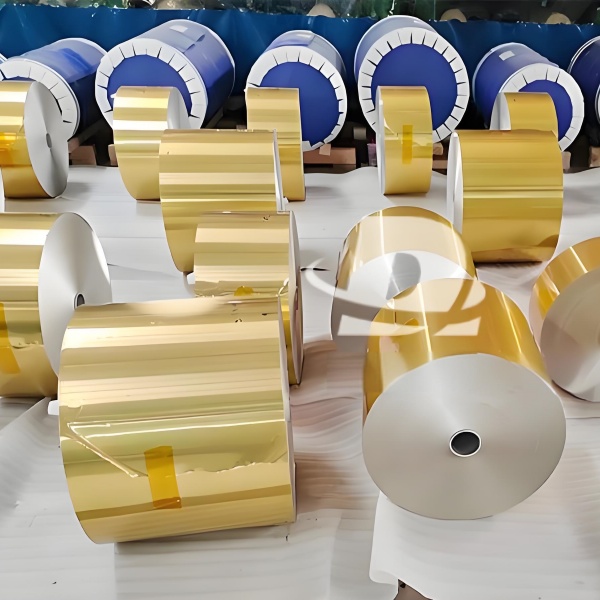
Both sides bright |
| Packaging |
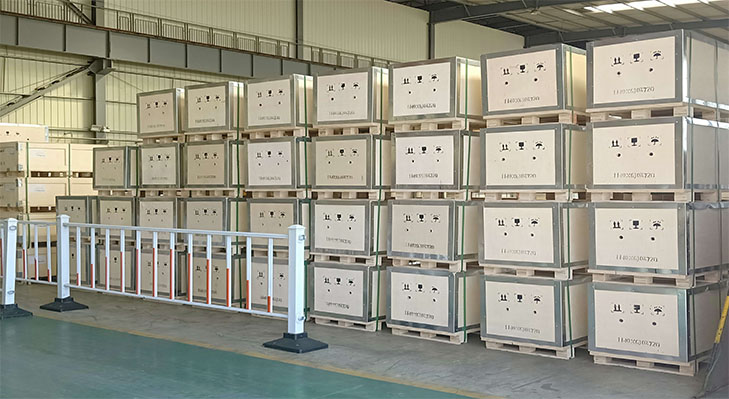
Free Fumigated wooden box |
Round foil trays are the second most considerable purchase for the market, and therefore their primary uses include baking cakes and producing pizzas as well as packaging individual food portions. Round foil trays provide a more normal distribution of stress while going through a forming process compared to a rectangular tray; this allows for the use of ultra-thin aluminum foil sheets (0.03 mm to 0.04 mm) when producing shallow round baking pan-type trays.
On the other hand, deep round bowls and large-round catering trays require a minimum of 0.12 mm in material thickness to allow for more stability during use. Oval foil trays are the next most common commercial style of foil tray, and they are primarily used for serving a whole roasted fish or chicken, or other significant-sized food items within an irregularly shaped (elongated) tray with substantial loads. Oval trays feature a larger surface area to hold food, so they are made from high-toughness (greater than 0.15 mm to 0.20 mm) aluminum foil to avoid splitting from the deep-drawing or high-heat process.
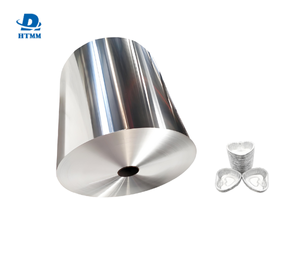
Also, Special shape foil trays such as square deep trays, heart-shaped baking foils and compartment takeout foil trays to occupy special-size/market share's as the fastest selling items. Square deep trays are used for the braising of food, and those can hold the weight of heavy soup type dishes by using 0.10 mm to 0.18 mm thick raw material which provides excellent pressure resistance.
Special shape trays use complicated molds with curved shapes must be manufactured using aluminum foil of good elongation (high formability) to have the best chance to successfully produce on first attempt; ie, no edge defects (cracking) or no wrinkles will occur during manufacture. In summary, the general rule in industrial manufacturing is that shallow, smaller size trays will use thinner & lighter raw materials and deep, larger volume size, specially shaped trays will require thicker, higher quality aluminum foil to create the correct balance between cost and performance.
The primary factor impacting the quality as well as the performance of foil trays made from disposable aluminum foil is the type of aluminum alloy used in their production. 8011 aluminum alloys are the most widely used aluminum alloys in foil containers produced in the foodservice packaging industry, comprising over 70% of the market share of aluminum foil containers worldwide. 8011 aluminum alloys contain appropriate levels of iron and silicon, promoting excellent deep draw formability, uniform thickness stability, and outstanding barrier properties. In addition, they are very difficult to crack during stamping or molding, making them suitable for virtually any standard size and shape of an aluminum foil container.
Selecting raw materials for disposable foil trays based on their size and specifications will help reduce costs and improve the quality of the end product. The final selection should be based on how the products will be used (e.g., dimensions of tray and anticipated load) as well as consideration given to such factors as raw material strength, formability (how easily they can be formed and deformed) and thermal insulation properties.
Household use and individual takeout packaging typically contains smaller copies of commercial trays (less than 500ml capacity and less than 3cm depth), using a thin (0.03mm – 0.06mm) 8011 aluminum alloy foil. This material is lightweight, economical and will satisfy customers' basic thermal insulation and forming needs, eliminating the potential for waste from the use of excessive amounts of material. For standard-sized commercial trays; a combination of 8011 alloy foils with thicknesses (0.08mm – 0.12mm) are the most appropriate for trays that range in capacity between 500ml and 2,000ml (depths of 3cm to 6cm).
The material provides an excellent balance of rigidity and pliability to withstand the constant force of extruding and the high temperature of cooking without deforming, making it the preferred material for bulk takeout orders, home-baking and providing catered meals to patrons at restaurants.
If you need large capacity deep trays (greater than 2000ml capacity), special-shaped roasting trays or reusable disposable trays, you will want a thicker grade of foil (0.15mm – 0.20mm) made from 3004 aluminum alloy. The thicker material provides the best combination of strength and durability. The high strength of 3003 aluminum foil will provide an adequate amount of load-bearing strength to prevent any deformation from being exposed to extremely high temperatures during the cooking process, as well as extreme heat and long-term use due to heavy loads. Thus, when using 3003 aluminum alloys in the manufacture of deep trays, your customers will have confidence that they are receiving a high-quality and durable product.
Production or application situations must also be considered in addition to size, alloy, etc. Frozen food trays must use raw materials that maintain good low-temperature toughness to prevent a tray from cracking due to weakness at low temps, and food-grade aluminum foil baking trays use raw materials that can maintain high temp resistance so that no harmful substances will leach out of the tray into the food. For multiple automated manufacturing processes, raw materials that provide consistent thickness and stable formability must be used to enhance overall molded yield and minimize defects.
To summarize, selecting a raw material for the manufacture of disposable foil trays is a systematic process requiring the combination of alloy characteristics; thickness specifications; and shape coordination. The mainstream 8011 alloy meets the majority of market requirements with cost effectiveness, while the 3004 alloy is utilized for high-strength commercial applications. Different popular shapes and sizes of manufactured trays correspond to specific thicknesses that can effectively optimize product quality and minimization of manufacturing costs. It is extremely important to understand the above material applications rules to produce quality, competitive disposable foil trays in response to the diverse development needs within the foodservice and food packaging industry.

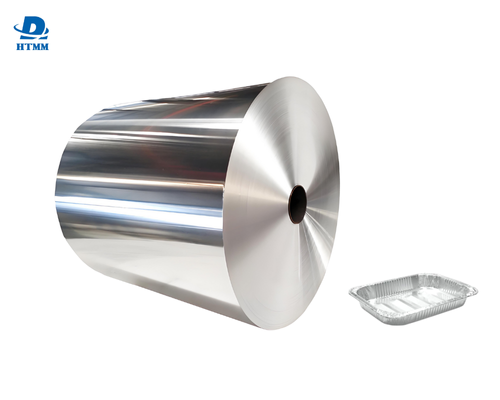
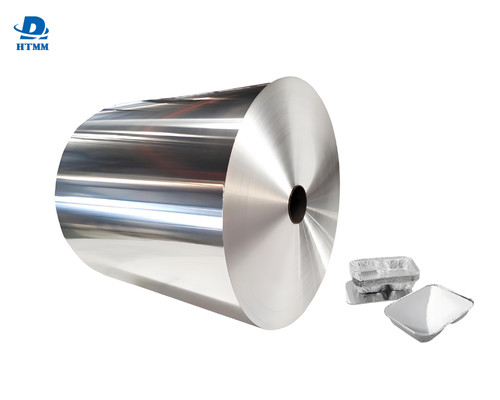
.png)