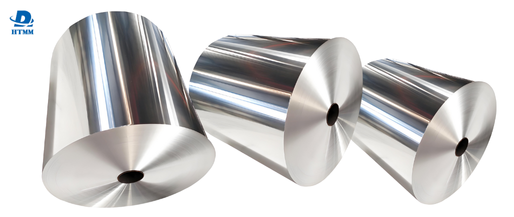
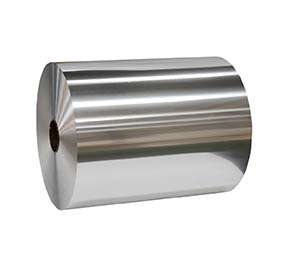
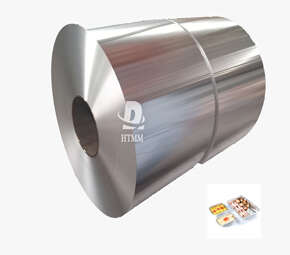
Specification
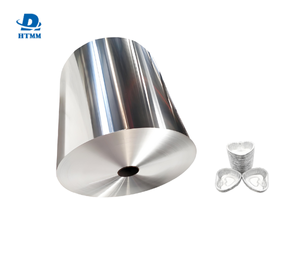
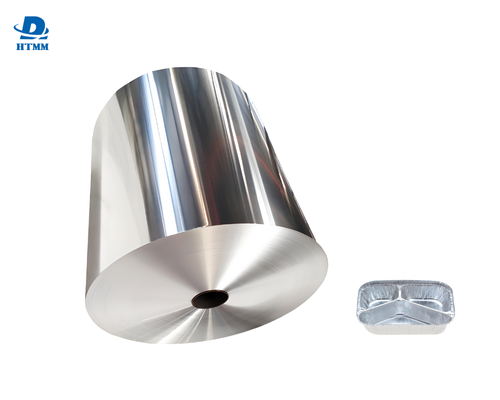
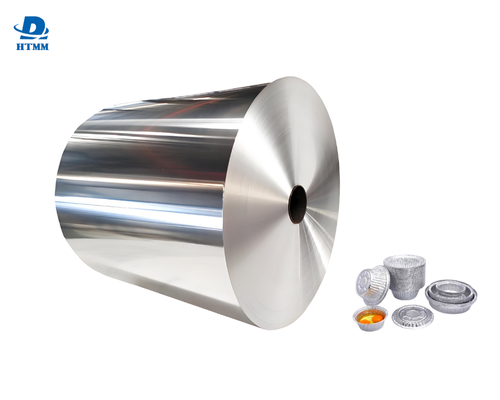
Food-grade aluminum foil is the star in food container production. It’s light, keeps meals fresh longer, and heats evenly. Plus, it’s fully recyclable – good for your meal and the planet. A smart, simple choice for everyday use.
Why is 3003 aluminum foil a packaging favorite? It's strong, flexible, and handles moisture and heat like a pro. Perfect for keeping your food fresh, safe, and tasty.
Now I will introduce our 3003 aluminum foil food grade.
Details include:
| Type |
Aluminium Foil for Food Container Application |
| Application |
For different food container applications, Such as dishes, plates, trays etc |
| Grade |
Food Grade |
| Alloy |
3003/8011/8006 |
| Temper |
H22 H24 H18 O |
| Thickness |
0.03MM-0.15MM |
| Width |
200MM-1300MM |
| Surface |
Both sides bright |
| Packaging |
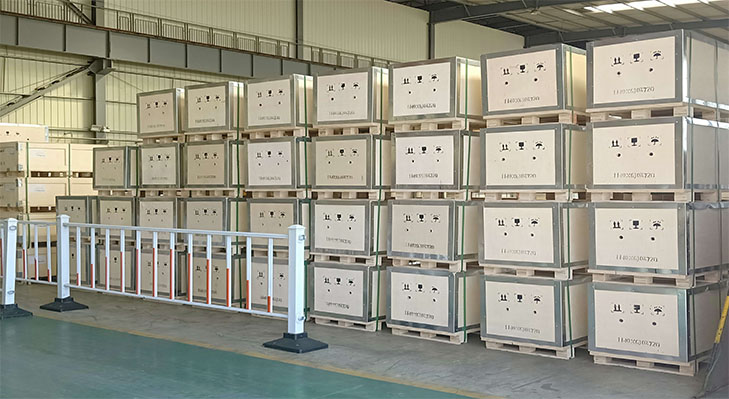
Free Fumigated wooden box |
For food container manufacturers, time is money. That's why we've streamlined our most common product range for 25 to 200 microns in thickness and 200 to 700mm in width. These are our high-volume products. Because they run continuously on our lines, we can offer quick quotes and a relatively low 3-ton MOQ. This efficiency isn't just for our benefit; it translates into stable supply and faster turnaround for our clients, keeping their production schedules solid.
As a leading aluminum foil manufacturer in China, HTMM knows that high quality raw materials are the basis for producing food grade aluminum foil. Aluminum is the main material used in our foils and we only import the purest aluminum to ensure our foil is safe for direct contact with food.
Sources and refining of aluminumThe first step in our aluminum foil manufacturing process is to obtain high purity aluminum. Aluminum occurs naturally in the form of bauxite, which must be extracted and refined before it can be used. Raw Materials For Aluminium Foil Food Containers. We have long-term partnerships with the world's best bauxite mining companies that use sustainable and responsible practices. Our preferred bauxite source contains a high percentage of aluminum to increase the efficiency of the refining process.
After bauxite is mined, it undergoes a wet chemical refining process known as the Bayer process to extract aluminum hydroxide. Aluminum hydroxide is then calcined at high temperatures to form alumina. Aluminum oxide is electrolyzed in a large carbon-lined boiler, where it is separated from oxygen in its complex form. This electrolysis process can produce aluminum with a purity of up to 99%.
We work closely with aluminum refineries to ensure our aluminum foil sources meet the highest purity specifications. Container foil. Only aluminum with a purity of 99.85% or higher is accepted for the production of aluminum foil. Various tests are performed to check metal contamination such as iron, silicon, copper, zinc and nickel. Any impurities may affect the integrity, durability or formability of the final chip.
Rolling and processing operationsAfter casting and initial processing by our suppliers, the purified aluminum is sent to our manufacturing facility for rolling and processing. The aluminum is first heated to about 500 degrees Celsius and then rolled into thick coils using a large inversion mill. This process strengthens the processed aluminum, and reduces its thickness.
Successive rolling iterations further thin the aluminum profile to the desired foil thickness, which is typically between 0.006mm and 0.2mm. 3003 H24 Lubricant should be applied before rolling to promote uniform thickness reduction and a smooth surface. We only use food grade lubricants approved for indirect or direct food contact, such as esters.
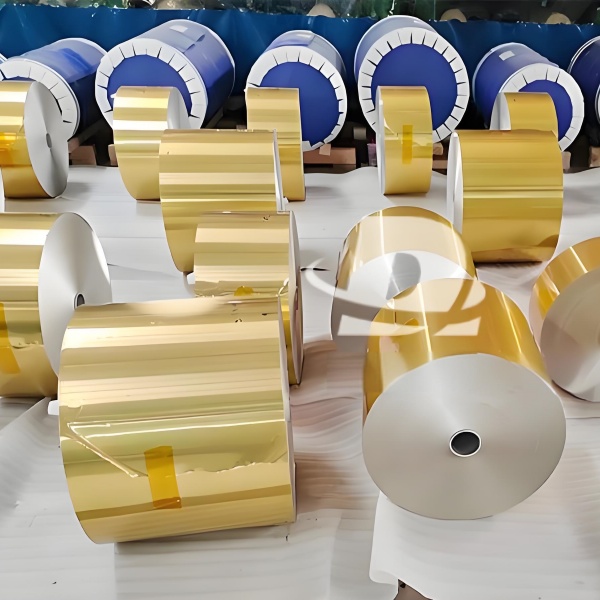
Rolled aluminum coil is chemically treated and annealed to create the ideal material properties for flexible foil. The pickling process removes any surface oxide layer and prepares the surface for final operations. 8011 H24 Annealing treatment can relieve the internal stress generated during cold rolling. Some chips receive a hydrophobic coating treatment for additional non-stick properties.
Strict quality control tests are carried out after each production step to ensure compliance with our high standards and compliance with global food safety regulations. Modern testing equipment analyzes various parameters such as thickness consistency, surface quality, purity and mechanical properties. Only aluminum that meets our specifications is fired for slitting, slitting and rewinding into jumbo rolls.
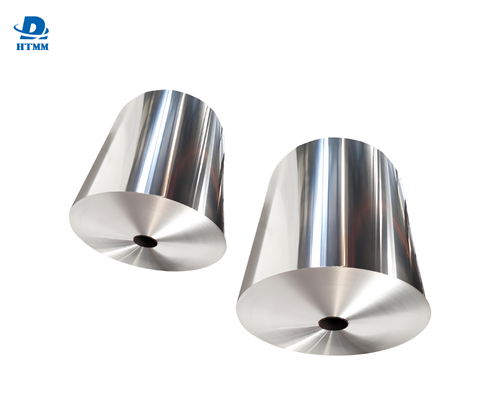
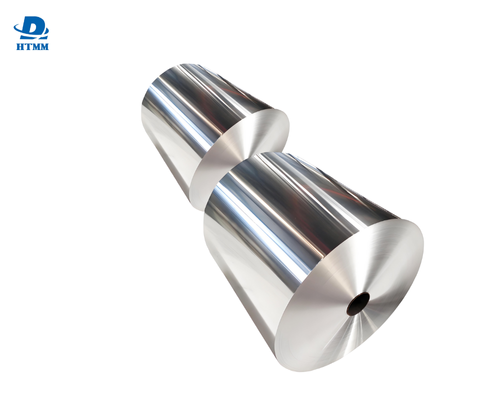
Meet global demand with large rollsAs one of the largest aluminum foil suppliers in the market, we manufacture large rolls that meet a wide range of requirements from major food brands and industrial customers around the world. Our large rolls range from small rolls weighing 50 kg to large rolls weighing 1500 kg. The larger roll size reduces chip waste on high-speed production lines, and lowers shipping costs per ton compared to smaller rolls.
In summary, aluminum foil is the ideal raw material choice for large-scale takeaway food container manufacturing given its excellent formability, barrier properties, lightweight and recycling advantages. Jumbo rolls of premium 3003 H24 alloy foil from global supplier HTMM ensure reliable, high productivity conversion into professional-quality packaging solutions. With the fast growth of food delivery and takeaway services in Saudi Arabia, aluminum foil is poised for substantial market expansion supported by favorable demand drivers. HTMM is well equipped to efficiently meet any future requirement increases with next-generation foil products.

.png)