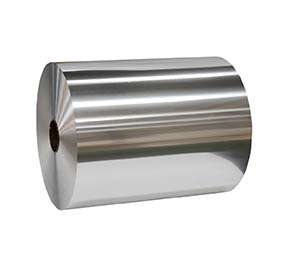
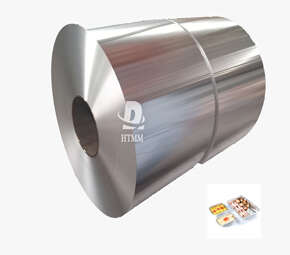
Specification
Different Types of Aluminum Foil Trays
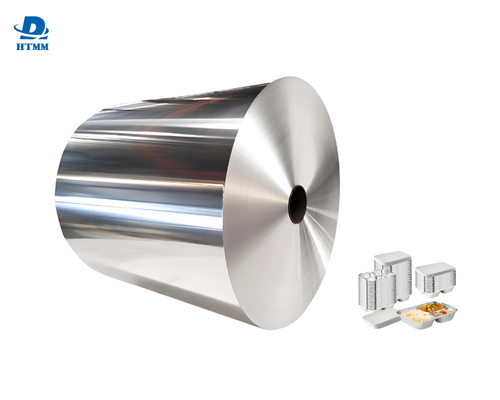
Different types of aluminum foil trays will be utilized depending on your application requirements and what you plan to do with them. There are common types of aluminum foil trays, including:
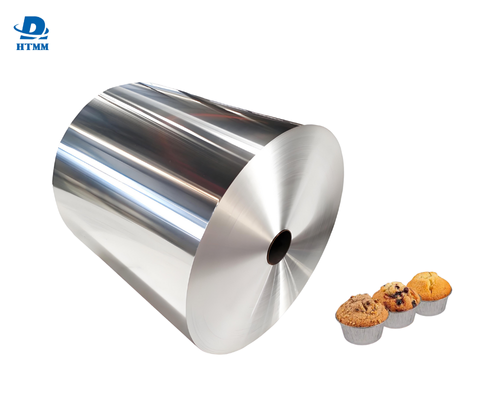
1. Round aluminum foil tray – often is utilized for baking pies, cakes, and desserts.
2. Rectangular aluminum foil tray – used often for take-out meal, catering on airlines, and for ready-to-eat meals.
3. Square aluminum foil tray – typically used for pre-portioned meals.
4. Aluminum foil multi-compartment trays – they are useful for separating foods, such as vegetables, sauces, meats, etc.
5. Aluminum foil deep-drawn trays – used for storing food items with an increased amount of volume such as liquids.
Details include:
| Type |
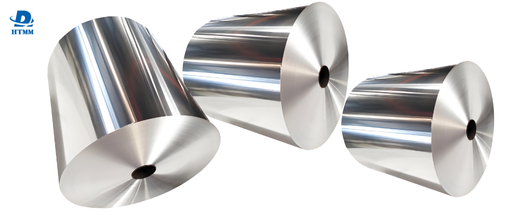
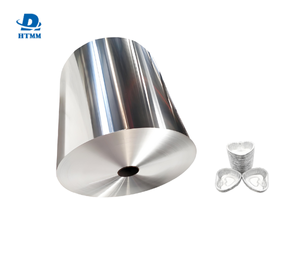
Aluminium Foil for Food Container Application |
| Application |
For different food container applications, Such as dishes, plates, trays etc |
| Grade |
Food Grade |
| Alloy |
3003/8011/8006 |
| Temper |
H22 H24 H18 O |
| Thickness |
0.03MM-0.15MM |
| Width |
200MM-1300MM |
| Surface |
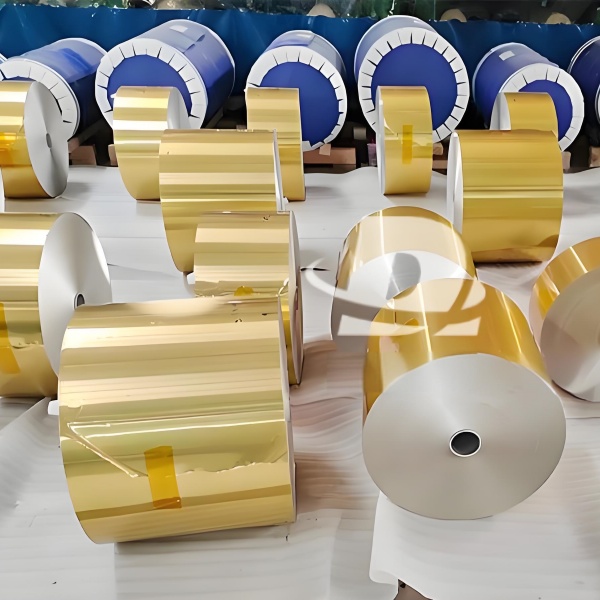
Both sides bright |
| Packaging |
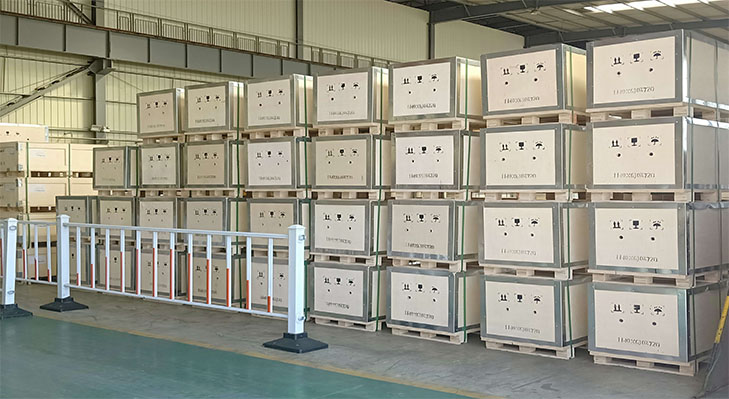
Free Fumigated wooden box |
Aluminum Foil Tray Key Features and ConsiderationsAluminum foil trays are designed to work in conjunction with container systems, and they have the following valuable properties:
-Durable and heat-resistant for use in the oven or microwave for heating.
-Provides a barrier against moisture, oxygen, and light.
-Strong, lightweight and rigid.
-Accepts food directly in contact with the tray.
-Recyclable and environmentally friendly.
Considerations When Using Aluminum Foil Trays With Containers for Foil TraysWhen using aluminum foil trays with a Container for Foil Tray, consider the following procedures:
-Don't allow strong acidic/salty foods to remain in contact with aluminum foil trays for long periods of time.
-Ensure foil trays are of a sufficient thickness to prevent deformation during use.
-Always use a compatible lid/container so that liquid will not leak out.
-Follow recommended heating instructions to avoid overheating or burning of foils.
Uses and Applications of Aluminum Foil TraysAluminum foil trays and the appropriate Container for Foil Tray have many different uses, including:
-Use for takeaway/delivery food packages.
-Use for airline/railway catering.
-Use for bakery and dessert packaging.
-Use for ready-to-eat meals/frozen food.
-Use for catering/large quantity meal preparation.
In all instances where aluminum foil trays are used as the main holder for the food, it is the container that protects the food, provides for stacking convenience, and enhances presentation.
Using aluminum foil trays as part of an integrated aluminum foil container system gives clear beneficial aspects to both.
The following are benefits:Structural Capability
Aluminum foil trays provide structural capability to the container itself that helps to prevent deformation of the tray from the stack while being transported.
Food Safety
The combination of aluminum foil trays and aluminum foil containers helps to reduce the likelihood of food product contamination and helps to keep the food product sanitary.
Thermal Properties
A good thermal property of aluminum foil trays is that they can distribute heat uniformly throughout the tray while aluminum foil containers help to keep the trays from being disrupted.
The logistics of storage and shipping can be improved due to a commonality in the shape of tray containers.
Both aluminium foil trays and containers can be recycled; therefore the overall environmental effect is lessened.
Summary Table of Aluminum Foil Tray SpecificationsTo provide a brief overview of aluminum foil trays by specification and common container applications, please refer to the summary table provided below.
8011-H22 :Rectangular tray,0.06–0.12mm,Takeaway meal container
8011-H24: Round tray, 0.05–0.10mm,Baking and dessert container
3003-H22: Deep tray,0.08–0.15mm,Catering food container
3004-O: Multi-compartment tray, 0.05–0.09mm,Airline meal container
Key Information About Containers for Foil Trays1. What are containers for foil trays? Containers for foil trays support or package trays made of aluminium foil that are ready to transport from one place to another.
2. Are Food-Grade Aluminium Foil Trays Safe for Use With Food? Yes, food-grade aluminium foil trays are compliant with food safety standards established by governments around the world.
3. Can I Use Aluminium Foil Trays in the Oven? Most aluminium foil trays are made of heat-safe material designed to withstand the heat of your oven when used at the recommended temperatures.
4. Why Do I Need a Container for My Foil Trays? Containers for foil trays increase stability while stacking and protect foil trays during transport.
5. Are Aluminium Foil Trays Suitable for Use in Freezing? Yes, they hold up very well under freezing temperatures.
6. What is the Best Thickness for Aluminium Foil Trays? The thickness of aluminium foil trays is determined by how you plan to use them. Commonly used ranges are 0.05mm through 0.15mm.
7. Can aluminum foil trays be closed with lids?You can use aluminum foil lids to close aluminum foil trays. In addition to aluminum foil lids, you may also use other types of covers made from various materials that fit on your container.
8. Are aluminum foil trays recyclable?Both aluminum trays and their covers can be recycled indefinitely.
9. Are there custom-designed containers for foil tray systems?Custom container sizes, shapes and designs can be created for any specific type of foil tray.
10. What industries utilize foil tray systems?The food service (restaurant/) and delivery industries, catering and airlines, and bakery and premade meal manufacturers are just a few industries that use this type of container system.

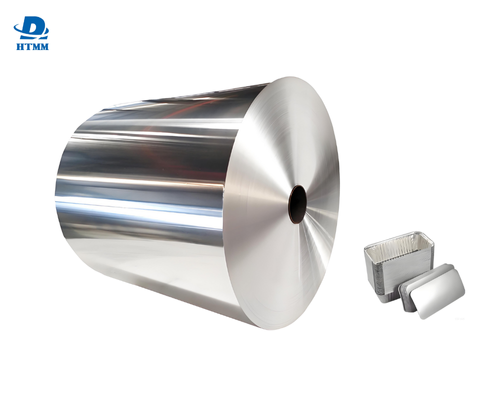
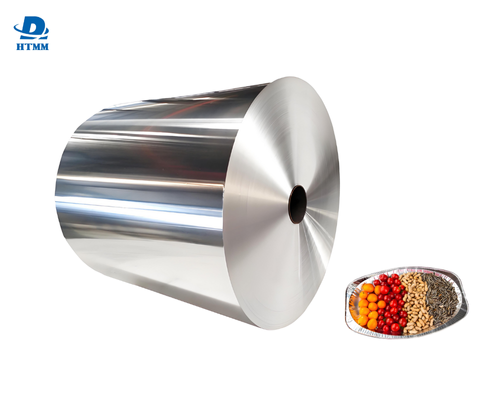
.png)