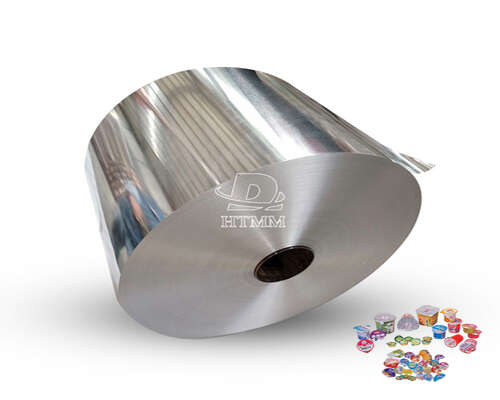
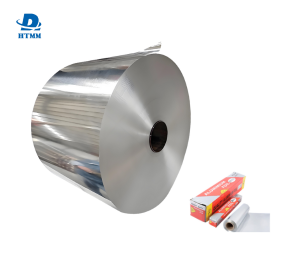
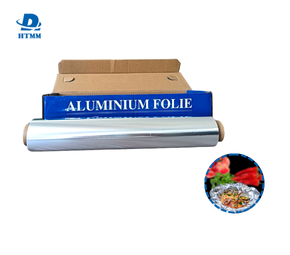
In the global market, 8011 aluminum foil acts as an essential barrier material for laminated flexible packaging, preventing oxygen, moisture and light from getting into food, dairy and different other packaged products.
It must be noted that not all aluminum foil suppliers can offer jumbo rolls that are suitable for high‑speed lamination, slitting and bag‑making.
While many buyers pay attention only to the price, overlooking other important concepts such as process suitability, batch consistency and export risks, the result can be frequent web breaks cycles, high scrap levels and increased production time.
In order to choose a reliable 8011 foil supplier, it is necessary to assess the suitability of products, production capacity, control of production quality, efficiency of product delivery and potential for long‑term cooperation.
The checks to establish if the manufacturer's foil 8011 is appropriate for flexible packaging production
The crucial step is to check for compatibility of the materials used during subsequent converter operations, instead of relying on only the generic foil 8011.
The first stage is the verification of the alloy and temper.
For flexible lamination processes it is important to use "8011‑O fully tempered foil".
O‑tempered foil may demonstrate high elongation and ductility, therefore it is able to withstanding the pulling forces at the same time folding and molding processes are unhampered.
Then carefully check out the thickness range, tolerances and precision of the width.
Advanced manufacturers can keep their packing materials under almost zero gauge tolerances for the entire length of the coil.
Any larger tolerances will lead to uneven barrier performance and unstable tension in the process of lamination.
The precision of width directly influences the trimming scrap amounts.
The distributor must provide you with the size of a jumbo roll that will fit your slitting plan.
You also need to monitor the quality of the surface, the amount of pinholes and the condition of the edges carefully.
Small holes in the newly produced barrier film will have a fatal impact on its effectiveness in protecting from moisture and oxygen.
Any surface oil, as well any scratches and dirt will prevent ink from sticking to the foil and achieving necessary bonding.
At last, ensure foil efficiency in your real‑life production process.
Order samples and execute tests on your company’s laminating, slitting and bag‑making devices.
Evaluate the frequency of web breaks, risk of delamination and gas permeability of the film produced.
Lab test data alone can’t substitute real converting verification.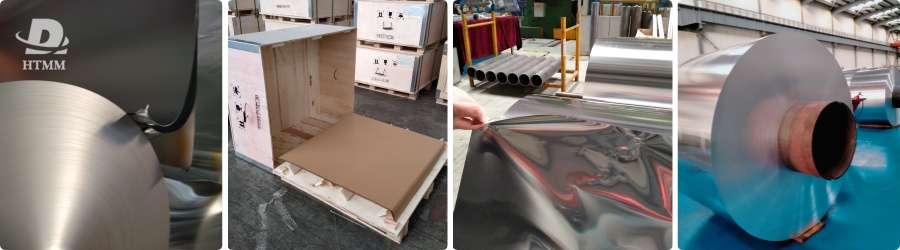
How to evaluate the abilities of the manufacturer in terms of production and quality assurance
Suitability of products is reliant on efficient manufacturing processes.
It is important for the buyers to investigate the capacity of the factory regarding thin foil package manufacturing.
The first step is to ensure that the manufacturer has a proper thin‑gauge production ability.
Flexible packaging 8011 foil is usually produced using thin specifications.
A successful manufacturer needs to have complete production line capabilities and not just some machines for the production of thick foil.
You should check the controls for rolling, annealing and winding operations.
Rolling pressure should be adjusted properly to avoid problems such as cambering, edge waves and uneven elongation.
The heat treatment cycle for 8011‑O should follow strict temperature and time standards to obtain a consistent softness.
The winding control is what decides whether large rolls can be unwound properly in your high‑speed composite machines.
Consistency between batches is another important factor.
Any differences between batches in terms of thickness, width, elongation or surface finishing force the converters to be constantly adjusting their machines, which implies many waste and idle time.
A good supplier will respect their raw material specifications and their process parameters to keep low variations between batches.
Always ask for TDS, COA and samples for laboratory testing.
Reliable suppliers can provide you with complete technical documentation, quality certificates and traceability information.
Make your own lab testing and production tests before making large orders.
Determining whether a manufacturer qualifies for jumbo roll purchases
Aluminum foil for flexible packaging is produced using jumbo parent rolls.
Please ascertain whether your supplier is able to customize coil specifications appropriate for your unwinding and slitting process.
Examine standard and custom jumbo roll options to see what the manufacturer can produce.
The manufacturer must be able to customize the width, thickness and surface finish in order to be able to suit your slitting processes and applications.
Confirm the essential parameters of the coil such as core inner diameter, maximum outer diameter and weight of one roll.
The essential parameters must be compatible with your unwinder.
Otherwise, your machine will operate below capacity and will be changed frequently.
Check the capacity and capacity for continuous supply of the manufacturer.
For those manufacturers that operate year‑round, assured continuous supply is vital.
Examine the MOQ, lead duration and pricing stability concerning big orders.
The low minimum order quantity for trial batches will allow you to do your tests.
Ensure fixed production timeline of delivery and royalties.
Be careful not to partner with suppliers with variable pricing or unclear delivery schedule, which may disturb your budget and allow you to plan your productions accordingly.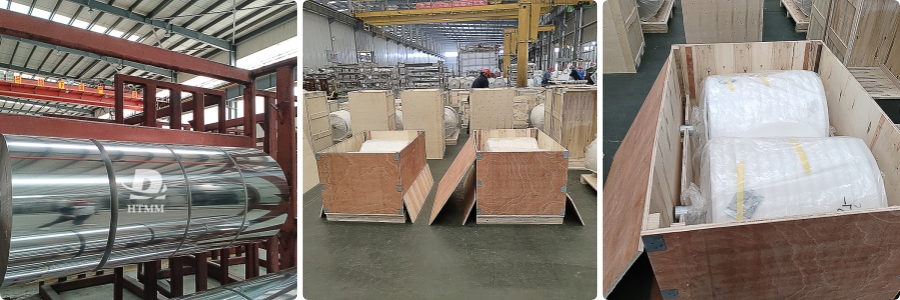
Essential Shipping Points to Check Before Purchasing 8011 Flexible Packaging Foil Internationally
Shipping aluminum jumbo roll overseas exposes it to the danger of moisture, extrusion, and coil deformation.
Therefore, it is necessary for the buyers to understand the export packaging and logistics requirements prior to signing the contract.
Start by making sure whether the coil protection ensures moisture proofing and anti‑collision.
Competent exporters wrap each jumbo roll in barrier film, include desiccants, and use fumigation‑free wooden cases and reinforced pallets in order to protect it during the shipping trip.
Make sure to confirm the packaging and loading scheme for sea transport.
The supplier must arrange the container loading scheme to avoid coil shifting and bumping.
Create written specifications pertaining to order, quality criteria and acceptance process of the orders.
Indicate the limits for pinholes, the thickness tolerances and the requirements for surface and the incoming checks.
If the acceptance regulations are defined properly, the chances for problems upon receiving the shipment are minimized.
Evaluate the supplier’s expertise when dealing with international shipments and custom orders as an experienced exporter will be able to generate sets of commercial documentation, certificates of materials, and compliance documents within a short period of time.
How to choose a manufacturer that meets long‑term options
Long‑term cooperation must be based on quality rather than price per ton.
Many buyers try to find the cheapest foil and end up with losses because of high waste production.
It is essential to consider the real costs of production rather than simply the prices of raw materials.
Stability of the quality should guarantee less downtime and less waste.
Consider the capability of a manufacturer to adjust specifications.
If you plan to change your packaging in a near future, you will need manufacturers that are flexible enough to produce foil of new thickness, width or specifications.
Check the ability of the manufacturer to react quickly in case of the problems with the quality, replenishment and communication.
Long‑term cooperation requires fast technical assistance and the ability to solve problems quickly.
A good manufacturer will always be in touch and provide assistance in case of any quality issues.
HTMM provides service to manufacturers of packaging in various parts of the world, using the 8011 aluminum foil rolls and its long‑term supply support.
HTMM can provide 8011‑O foil specifications that meet the specifications of the customers’ lamination and slitting equipment thanks to its well‑developed systems of rolling, annealing and inspection.
The plant provides strict control over foil thickness and surface, provides stable batch quality and proper packaging.
In addition to the 8011 foil, HTMM also offers 8079 and 1235 aluminum foil types, and the converters can use all the three types for their purposes form just one partner.
Choosing a good manufacturer of the flexible foil is a long term process, covering all aspects of production, quality, customization of jumbo foil rolls, delivery and after‑sales service.
Instead of limiting themselves with quotes for the flexible packaging foil equipment, the converters should do testing and checking the quality of the factories as well as technical and delivery parameters.
Good suppliers will make sure that the foil is produced with the same quality each time, and also ensure great lead time for deliveries and technical support.
This material contains quite a lot of professional content, and the work task mode can help you combine all the previously segmented articles into one complete document. Would you like to use the work task mode?